Author: qphctr

  • Shay Mitchell Gets Why Rini’s Sheet Masks for Kids Made People So Mad

    Shay Mitchell Gets Why Rini’s Sheet Masks for Kids Made People So Mad

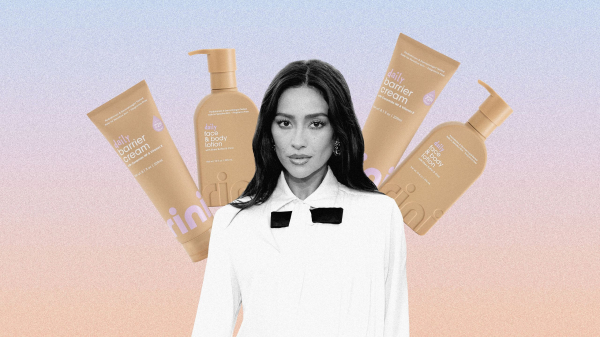
    photo collage of shay mitchell and new rini body care productsIllustration by Allure; Photos: Courtesy of Brand, Getty ImagesSave StorySave this storySave StorySave this story

    For growing faces. Since launching in November, Rini, the K-beauty-inspired (the name is a colloquialism of the Korean word for children) kids’ skin-care brand conceived of by actor Shay Mitchell and public relations and marketing exec Esther Song has targeted a specific demo: the 4+ audience. And those growing faces, whether we like it or not, are also a rapidly growing beauty consumer demographic. While Gen X may have the biggest spending power (something a few brands are, miracle of miracles, paying attention to), it’s Gen Alpha (anyone born between 2010-2024) that’s fielding increasing interest from beauty brands. Rini included. “We’re on the younger end of Gen Alpha,” says Song. Market research firm Mintel projects that by 2029 Gen Alpha’s spending power—fueled in part, one supposes, by allowances and babysitting earnings, since the oldest among them will be only 19—will reach a whopping $5.5 trillion. And beauty is predicted to loom large in those purchasing decisions, a carryover of the frenzy started by a stream of Sephora tweens eager to mirror adult skin-care routines. Some are even starting their own brands: When YouTuber Salish Matter, then 15, debuted her skin-care line Sincerely Yours last year with an appearance at the Mall of America, nearly 90,000 fans showed up. The brand’s products quickly sold out at Sephora. On July 9, 12-year-old Stella Dorazio launched a line of four skin-care products made for “Gen Alpha girls on the move,” per Beauty Independent.

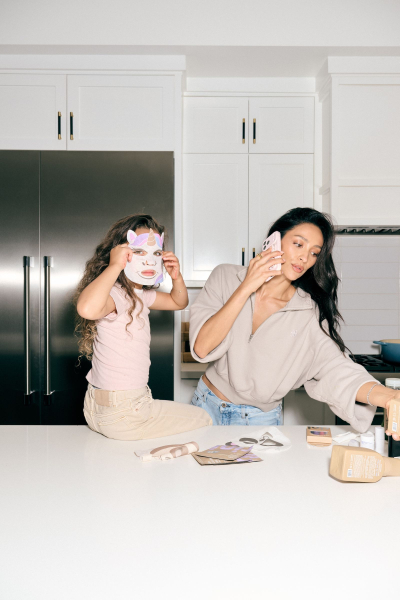
    However, Mitchell and Song claim they’re not interested in courting the next gen of Sephora tween. “Our goal has never been for Rini to become a mini version of the adult beauty industry,” says Mitchell. The girls scrambling for “it” products by Glow Recipe and Drunk Elephant and seeking out active ingredients like retinol and glycolic acid that target wrinkles (which they don’t have) and boost collagen (which they already have in spades), are not, they insist, who Rini is for. But the brand’s decision to launch a kid’s skin-care line with sheet masks—a product that is decidedly not essential, but rather a visual marker of one’s commitment to a certain level of beauty industry consumerism—was met with a tsunami of online outrage. Obscene. Disappointing. Damaging. Unnecessary. Dystopian. This is beyond grim. The marketing image of Mitchell’s kindergarten-age daughter wearing one of the clear hydrogel sheet masks didn’t help, reading like a misguided attempt to attract attention in crowded social feeds.

    shay mitchell and her daughter model products from rini skin care lineCourtesy Rini

    Song thinks their timing was an issue: Rini launched in the midst of a broader conversation about how beauty consumers and influencers were getting significantly younger. There was much concern about the effect it was having on girls writ large. Reflecting via a phone call in early July, Mitchell tells me she gets the negative reactions. “Honestly as a parent I understand it and if I could go back, I would have started by telling more of the story before just showing the product,” says Mitchell. “I think people saw kids wearing face masks and immediately filled in the blanks based on everything happening in beauty culture and that makes sense.” If adults are being sold sheet masks to address and correct the various things wrong with our skin, it’s hard not to draw the same throughline with ones directed at kids. Now Mitchell views the whole experience as a teachable moment, one that will guide how the brand approaches their decisions, particularly around marketing, going forward. “More than anything it reminded me that context is everything,” says Mitchell. “I’m happy that it happened because now we can go and fill in all of the information that was maybe missing at the beginning.”

    However, Song points out, plenty of customers did show up for Rini, sending, she says, an overwhelming amount of positive emails and reviews on heyrini.com. Although there is no publicly available information on how much revenue the brand has generated since launch, WWD reported that Rini saw $4.2 million in media impact value (an algorithmic metric created to estimate how much the social and traditional media posts around a brand are worth) in its first six months of existence.

    Rini’s latest launch could create even more of a positive sentiment around the brand. It’s a daily care collection of Foaming Face & Body Wash, Daily Barrier Cream and Face & Body Lotion, all of which already have stamps of approval from the National Eczema Association and are EWG (Environmental Working Group) verified. Song and Mitchell see these new products as an opportunity to right the course… and cement their company as an emerging kid’s skin-care brand that’s both trusted by parents and coveted by their offspring. “We have a dual audience strategy where we speak to the parents through education and transparency and to the kids through the sensorial nature of our products,” says Song, who believes Rini can become the go-to Korean daily care line for kids, something that, as of now, doesn’t exist in the U.S.

    shay mitchell and kids in a campaign image for rini skin careCourtesy Rini

    I received the products ahead of my interviews with Song and Mitchell and can confirm they are, indeed, excellent. My eight-year-old daughter who delights in bath or shower time (hair washing is another story) gravitated immediately to the body wash deeming it softer and nicer than the unscented bar soap she is usually handed. The lotion soothed her little eczema flares. The barrier cream may be formulated with children in mind, but I think any fellow perimenopausal moms with temperamental, often husk-dry skin may appreciate it even more.

    Parents who are seeking out more information on the ingredients in their kids' products will likely appreciate the formula facts tab on the Rini website. It highlights some of the key selling points for the line, along with high-level results from studies done with the brand’s products. A representative for the brand confirmed that all clinical testing is conducted by independent, third-party labs and follows industry-standard protocols and best practices. “For example, our Pediatrician Safety-in-Use Test was conducted on more than 30 subjects, ages 0–5, over a minimum of 28 days under pediatrician supervision,” the rep said.

    Song is proud of Rini’s stringent testing policies: They require raw material documentation from their manufacturer in Korea and test both the individual ingredients and the final formula for heavy metals, including lead, to ensure they are appropriate for sensitive and allergy-prone skin. Their testing includes EpiOcular evaluations to ensure everything is gentle around the eyes (which, any parent will tell you, is always a big pain point), HRIPT patch testing for skin compatibility, and pediatrician-led, in-use testing on babies and young children ages 0-5. Mitchell and Song’s goal is for parents to be able to purchase the products for their kids, worry-free. “We’re going to earn trust by solving real parenting needs, not by creating new ones,” says Mitchell. “If parents can, in the future, think of Rini as the brand that makes daily kids skin care, which can be so confusing, feel safer, simpler and also more fun, then we’ve done what we set out to do.”

    Song thinks one silver lining from the sheet mask controversy is that it inspired some parents to look more closely at all the products their kids might be buying with that allowance at Sephora. My own hope as a parent of an almost tween is that it also might inspire broader conversations about how beauty culture, much like diet culture, can have a toxic and lasting effect on how we see ourselves. About the dangers of positioning beauty as a value and equating consumerism with self-care. About how, for every generation, our appearances have become something to alter and regulate and filter and optimize and, most importantly, monetize. Could a social media-stoked controversy about kid’s sheet masks be a tipping point for all that please?

    When my daughter sees me doing various beauty and grooming rituals, from penciling in my eyebrows to shaving my legs to putting on a face mask, she’s first curious and then almost inevitably she asks: will I need to do that too? The question always stops me in my tracks and makes me pause to consider when it comes to beauty, what we need, versus what we want and what we feel obligated to do. I know that I’d like my eight-year-old to see any beauty products whether it be a sheet mask or nail polish or lip gloss, not as a necessity, not as self-care, but as a form of expression and fun and play. I gave her and her two cousins (a boy aged 10 and a girl, almost 4) the Rini animal sheet masks to put on one night last week. They all gingerly smoothed the masks over their growing faces, commenting about how they loved them and how weird and cool and slimy they felt. Then they looked in the mirror, then at each other, and they laughed and started embodying the animals pictured in the masks they had on their own faces. These kids’ immediate instinct wasn’t to make this a beauty treatment, but simply to play. And that felt, to this parent at least, very age appropriate.

  • Gloat Makeup Sponge Review

    Gloat Makeup Sponge Review

    Gloat Makeup Sponge ReviewSave StorySave this storySave StorySave this story

    TL;DR:

    • What it is: A makeup sponge
    • What it does: Blends and diffuses base products, like foundation and concealer, for a smooth, seamless finish
    • Who it’s for: Allure Beauty Box subscribers—exclusively!

    As someone who’s constantly testing new foundations, concealers, and cream blushes and bronzers, I can never have too many makeup sponges.

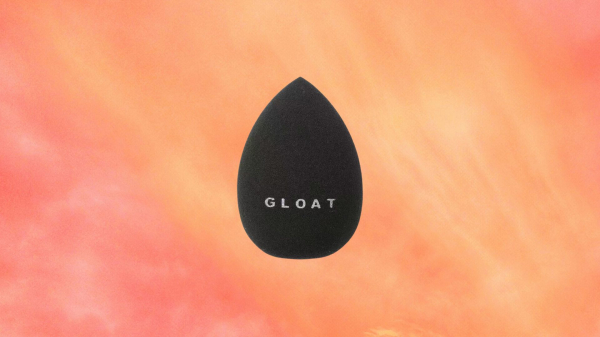
    This black, teardrop-shaped tool from Gloat is sleek, functional, and thoughtfully designed—and the fact that the brand made it just for our July Beauty Box makes it feel that much more special.

    Here’s how I use it: No matter what I’m blending, I dampen the sponge, then gently bounce the bottom side across my face (from my forehead to under my jawline) until the look is uniform. Then I’ll use the pointed tip to blend in hard-to-reach nooks and crannies (around my nose and under my eyes). The finish is always super smooth, dewy, and never streaky.

    The Gloat Makeup Sponge is exclusively available in the July Allure Beauty Box.

    GET THE BOXThe Makeup Sponge You Can Only Get in This Month’s Allure Beauty Box

    The Makeup Sponge You Can Only Get in This Month’s Allure Beauty Box

  • TikTok’s “Ferritin Face” Can Be a Sign of a Very Real Health Concern for Women

    TikTok’s “Ferritin Face” Can Be a Sign of a Very Real Health Concern for Women

    suspended IV bag with supplements insideIllustration by Briana Rengifo/Allure; Source images: Getty ImagesSave StorySave this storySave StorySave this story

    At the American Infusion Center’s location on lower Broadway in Manhattan, La-Z-Boy recliners with laptop tables are positioned in front of windows overlooking the Hudson River. The majority of people sitting in those seats—click-clacking away on their computers with an IV dangling from one arm—are women, including me. And many, including me, are there to get an iron infusion—a treatment that, despite being well-informed about my health, I hadn’t even heard of until I was in dire need of it at 47.

    My iron levels weren’t ever mentioned at doctor’s visits until I was pregnant with my daughter at 39. With another human growing inside me, the need for adequate nutrients had new urgency. Those levels were steady for the duration of my pregnancy, but after a whirlwind four years—living through a challenging postpartum period, perimenopause, and a global shutdown—they took a nosedive.

    But the drop wasn’t something my doctors picked up on easily. It took a year of relentless symptoms (fatigue, hair-shedding, brain fog, restless legs, anxiety), monthly periods reminiscent of crime scenes, and two myomectomy surgeries (to remove clusters of uterine fibroids) before I was deemed anemic. Iron deficiency is the most common cause of anemia, a condition that occurs when your body doesn’t have enough healthy red blood cells. You can be iron deficient (meaning you have low stored iron, or ferritin) but not necessarily anemic, although untreated iron deficiency often leads to anemia.

    Though my iron deficiency went largely unrecognized for a time, I’m certainly not alone in this journey, which—like so many diagnoses in women’s health—often follows a long and winding path. A 2024 report from JAMA Open Network found that 34% of women between the ages of 18 and 50 are iron deficient. Post-menopause it becomes less common, as women stop bleeding regularly, so there’s less iron loss; that’s also why iron deficiency is less common in men.

    The reason so many women find themselves dealing with anemia, particularly in their 40s (I was 45 when I was diagnosed), is not so straightforward—which is why it comes as no surprise that many are searching for answers and sharing symptoms on TikTok. Ahead, we sort through the signs of iron deficiency, including fatigue, shortness of breath, dark circles, cracking skin, and what social media is calling “ferritin face.”

    What do we need iron for anyway?

    Iron is a building block for hemoglobin, a protein in your blood that is required for the production of the red blood cells that deliver oxygen throughout our bodies. It sounds vital because it is. It’s key for optimal skeletal and cardiac muscle function, for hair growth, and for making neurotransmitters in our brain (including the dopamine and serotonin that have such a profound effect on our moods), says Imo J. Akpan, MD, a hematologist at New York Presbyterian.

    “[Iron] also plays a quieter but important role in supporting regular ovulation and a healthy uterine lining, both of which matter when someone is trying to conceive,” says Lora Shahine, MD, a reproductive endocrinologist and ob-gyn at Ivy Fertility in Seattle.

    And iron is foundational to how our bodies produce energy. Explains Amanda Kahn, MD, an internist in New York, “When iron stores are low, women often feel it everywhere, from their energy levels to their mood to their hair.”

    The face (and hair and body) of iron deficiency

    Do you have heavy periods? Do you have brain fog? Do you get winded walking up stairs even when you’re in really good physical shape? These are some of the questions Jamie Rosen, a 40-something brand consultant in New York City, remembers being asked by her hematologist Rachel Kramer, MD, during her first visit. “I was like, ‘Yes, yes, yes, yes, yes,’ to everything she asked me,” says Rosen, who had a list of symptoms that she had long been brushing off.

    Dr. Kramer has an office at American Infusion Center’s Upper East Side location and has worked as a hematologist for nearly 30 years. She says many of her young, female patients likely have an iron issue that they are chalking up to something else. “Lots of people are iron deficient in their 20s and 30s, and they don’t get to me until they’re in their 40s,” she explains. “They often just think they’re a tired person.”

    The most common signs of iron deficiency are: fatigue, headache, shortness of breath, dizziness, chest pain, muscle cramping, pica (the compulsion to eat non-nutritional items such as ice, clay, chalk, or soap), difficulty concentrating, and depression. But this deficiency can also have more visible manifestations, such as hair loss and what the internet has dubbed “ferritin face” or “low-ferritin face.”

    Macrene Alexiades, MD, a dermatologist in New York City, says that patients whose iron stores are low often have pale and sometimes dry, cracking, itchy skin. “I see it with some regularity, and when we look under the hood, we often find there’s some iron deficiency there,” says Dr. Alexiades. The washed-out pallor and undereye shadows that sometimes accompany iron deficiency have recently come to be called ferritin face.

    “It’s not an established clinical term, but it reflects a real phenomenon that clinicians and patients are noticing,” says Jamie Schwartz, RD, LDN, a registered dietitian at Health Loft. And one that TikTokkers are chronicling in earnest. “I looked literally half dead,” one woman posted about the effect of her ferritin level on her face (with Mumford and Sons’ “White Blank Page” as a soundtrack). "Low iron is looking like this even after 10 hours of sleep and being asked if you're ok 24/7," wrote another, who chronicles her iron struggles online.

    While skin pallor and dark circles can be a clue, they are not specific enough on their own to suggest iron deficiency, says Marisa Garshick, MD, a dermatologist based in New York and New Jersey. “Skin pallor is often only noticeable in individuals with lighter skin tones and is not always obvious or easy to detect, while dark circles can occur for many reasons, including genetics,” she points out. That said, “it’s changes in hair and nails that will most commonly prompt an iron work-up in my practice.”

    Meanwhile, the connection between hair shedding and ferritin is well documented, with studies associating low ferritin levels with telogen effluvium, a form of temporary hair loss.

    The testing (or lack of testing) is part of the problem

    Screening for iron levels is not part of a standard checkup. Women are routinely screened only when they’re pregnant, and even then, testing is typically limited to how much iron we have moving in our blood (our serum iron level) and not how much ferritin our bodies are producing. Serum iron levels can go up or down in response to your diet, supplement regimen, or menstrual cycle, and they change quite significantly throughout the day. Ferritin, on the other hand, says Dr. Akpan, refers to our iron reserves and isn’t affected by your diet or periods, and isn’t likely to fluctuate from one day to the next. It’s a much more reliable marker of iron deficiency.

    Dr. Akpan describes ferritin as our “iron savings account.” If you’re nearing overdraft, the low balance can have a ripple effect on your body—even if your serum iron level is within normal range. This is why it’s not uncommon for a woman who is noticing hair loss and feels exhausted to still be told by her doctor that her labs are “normal.” Few doctors will do a full iron panel, which includes serum iron and ferritin, as part of a routine visit, so patients often have to request it.

    What is considered normal ferritin, though, can be subjective. (Like I said: long and winding.) “We do not have an agreed-upon threshold for diagnosing iron deficiency in women,” says Dr. Akpan. “The World Health Organization recommends using a ferritin cutoff of <15 ng/ml to diagnose iron deficiency in women, but several other medical societies suggest that this is too low and should be <30 ng/ml.” A 2025 Lancet Hematology Review proposed that any ferritin levels under 50 ng/ml should prompt a closer look, and Dr. Kahn, who works closely with a hematologist in her practice, often targets a ferritin level closer to 100 ng/ml.

    A diagnosis may be further complicated because low iron can masquerade as something else or overlap with other issues. If a patient is not anemic—something measured by the hemoglobin test that is part of a routine checkup—doctors may not screen for iron deficiency at all. “A patient with fatigue who has a normal level of hemoglobin is more likely to have a thyroid test than an iron test,” says Dr. Akpan, “or someone who is depressed may be started on antidepressants but not have their iron levels checked.”

    While the importance of iron is emphasized during pregnancy and postpartum, it is crucial across the entire reproductive lifespan, particularly in perimenopause, when menstrual cycles can become heavy and unpredictable. Uterine fibroids, adenomyosis, and conditions that cause heavy menstrual bleeding are, says Dr. Shahine, a major and underappreciated cause of iron deficiency in women.

    “Paradoxically, the years leading up to menopause can be when iron deficiency is most likely, even though we tend to associate it with younger reproductive years,” says Dr. Shahine. “The fatigue and brain fog of this transition are sometimes attributed entirely to shifting estrogen when low iron may also be part of the picture.”

    Women also tend to simply shrug off or accept some symptoms. If you’re working full-time and parenting and caring for aging parents while also trying to find time to shower every day, you might not think to question the fact that you feel exhausted. The number of post-menopausal women suffering from iron deficiency is lower, but the prevalence is not zero, says Dr. Akpan, and deficiency can still occur during this period due to gastrointestinal conditions or malabsorption.

    How to close the iron gap

    Once you’ve determined that you are, in fact, low in ferritin, your doctor will likely tell you to first look at your diet. But gastrointestinal absorption is a perpetual problem with iron, whether you’re trying to get enough through food or with the help of supplements. There are also a number of conditions that can further impact the body’s ability to absorb iron, like celiac disease, gut inflammation, and reduced stomach acid (common in anyone who uses proton pump inhibitors for acid reflux). Your genetics can also play a role in how you absorb iron, and research has shown that Hispanic and Black women are more prone to iron deficiency. Says Dr. Kahn, “Some women aren’t losing iron, they simply aren’t absorbing it well.”

    The truth is that most women do not get nearly enough dietary iron. The recommended daily allowance for girls and women aged 9-50 is 18 mg; that number drops to 8 mg after menopause. To be clear, that can’t be 18 mg in one meal. For example, that steak you had for dinner is absorbed at only 25-30% (a lean cut will yield about 2.5 mg of iron), and that big spinach salad at only 2-10%. “More iron on the plate doesn’t mean more iron absorbed,” says Schwartz, who explains that the body has a ceiling on how much it can absorb at one time, regulated by hepcidin, a peptide hormone produced in the liver. “And how much you absorb shifts based on your current iron stores, inflammation levels, and the form of iron consumed.”

    You also need to consider the type of iron-rich food you’re consuming: Heme iron is dietary iron found in foods of animal origin and is proven to be better absorbed; while non-heme iron is found in foods of plant origin and is less efficiently absorbed.

    Pairing those iron-rich plant sources—like spinach, swiss chard, and broccoli—with vitamin C is helpful. One quick and easy hack is to squeeze lemon on them before consuming. Says Schwartz, “Eating iron-rich foods like lean red meat, liver, lentils, chickpeas, pumpkin seeds, and dark, leafy greens alongside vitamin C is foundational as it significantly boosts the absorption of non-heme iron.” She explains further that, though vitamin C will add to the iron you can absorb during the day, it won't raise the maximum amount your body can take in: “It's more a tool that helps you get closer to whatever your personal ceiling happens to be that day.”

    Plant-based eaters need to be extra mindful about their iron. “A woman relying solely on plant sources would need to eat considerably more volume [almost twice as much] and variety to hit the same absorbed amount,” says Schwartz, adding that the body absorbs iron more efficiently from multiple smaller exposures than from one large intake. “Eating twice as much [of one protein source] doesn't give you twice as much absorbed iron—it gives you diminishing returns.”

    When your dietary intake doesn’t match your iron needs, which is the case for many women, that’s when supplements should be considered. “Ferrous sulfate is the classic affordable option, but it’s notorious for causing constipation and nausea, which is why so many people quit,” says Schwartz, adding that one study reports that up to 40% of people stopped over a three-year period. She recommends other types of supplements, like iron bisglycinate or liposomal iron, which are better tolerated.

    Wendi LeBrett, MD, a Los Angeles-based gastroenterologist, says that pairing your iron supplement with vitamin C improves uptake, and emerging evidence suggests that taking iron supplements every other day, versus daily, helps absorption and curbs GI side effects. You may also need to be mindful about supplement stacking. Because you know those calcium supplements your doctor said you need for your middle-aged bones? Well, they're inhibiting the absorption of dietary iron and supplements, says Dr. LeBrett. So are coffee, tea, and chocolate. She recommends consuming any of these things two to three hours apart from your chosen iron.

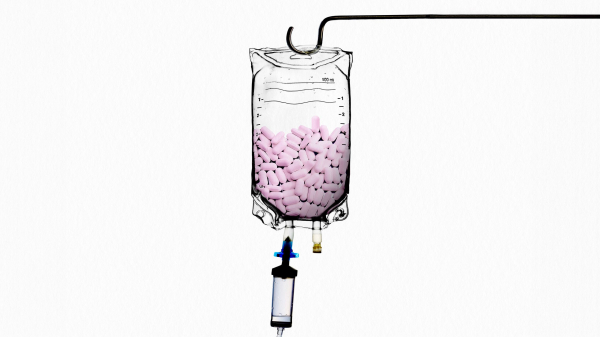
    Did you get all that? Right, it’s a lot to consider. And that’s why some women—like me—have started getting IV iron, or iron infusions. (At the end of the story, we’ll tell you how to find a reputable clinic.) These infusions go directly into the bloodstream, which can help with absorption by bypassing the GI tract and bolster your iron levels more quickly, says Dr. Kahn. Common side effects of iron infusions include nausea, dizziness, and headaches. Rarer side effects could include anaphylaxis.

    When I went in for my first infusion, my ferritin level was 13; three treatments later, it had increased fivefold. This was after years of taking oral iron supplements without much discernible change. Many hematologists believe infusions, which are most commonly offered in a hospital or outpatient-clinic setting, are still thought of as a last resort. “IV iron supplementation is still underused,” says Dr. Akpan, adding that many patients simply don’t try or can’t handle other supplementation. Adds Dr. Kramer, “You shouldn’t wait until your ferritin is [low] and your hair is falling out all over the place and you feel terrible.”

    Dr. Akpan usually sees an improvement in her patients’ iron levels with one to three infusions, then will continue to recheck levels every four to six weeks to assess their iron stores. Says Dr. Garshick, depending on the degree of deficiency, many people begin to notice improvements within a few weeks of treatments, including improvements in their skin; hair recovery can take longer, she adds, often three to six months to see meaningful changes.

    And, importantly, Dr. LeBrett cautions that taking any iron supplements without properly investigating the root issue can itself be an issue. “People shouldn’t ignore a problem just because it’s corrected with supplementation,” she says, noting that iron deficiency can be a side effect of celiac and inflammatory bowel disease. In fact, overdoing it on iron can be another issue entirely and lead to inflammatory conditions.

    More women are experiencing iron deficiency in midlife

    “Whenever I would go to the infusion center in Long Island for my weekly iron IVs, I was always running into mom friends,” says Jennifer Conlon Pavelchak, a New York City-based publicist in her 40s. She was prescribed a five-dose course of iron infusions spaced a few weeks apart after hair loss, brain fog, and joint injuries prompted her doctors to test her ferritin (her level was 26). “I would say 80% of the people getting iron infusions with me every visit were women.”

    Dr. Akpan and Dr. Kramer both report that more women in midlife are coming to their offices with iron issues than they were a decade ago. Parsley Health—a membership-based, functional health practice—has found the same to be true. Robin Berzin, MD, the company’s founder, has some ideas why: “We’re seeing more midlife women eating plant-forward diets and more of them on GLP-1 medications, both of which can decrease iron intake. GLP-1 medications reduce appetite and overall food volume. They can dampen the appetite for red meat, specifically, which is the most absorbable iron source, and cause slow gastric emptying, which may affect absorption.” If you do the math, eating less simply means less opportunity to reach the recommended daily iron intake.

    But Dr. Kahn thinks the reason we are seeing more women with dipping iron levels goes beyond diet and exercise trends: “Part of it is increased awareness, but there’s also an intersection of multiple factors like perimenopausal bleeding changes, chronic inflammation, gut dysfunction, and women pushing themselves harder than ever professionally and personally.”

    It’s that last point that really hits home. This innate need to constantly power through pain and exhaustion feels like the girl-bossification of health. The correlation between hard work and low iron may not be causal, but someone who is under chronic stress may eat poorly, skip meals, or form habits that contribute to poor iron absorption because of poor diet. “Women just feel like they should keep pushing,” says Dr. Kramer—and more awareness about iron being a possible culprit for many common symptoms is prompting us to take the reins and look into it.

    Within a few weeks after Pavelchak’s course of five iron infusions, her hair stopped snapping off and grew back thicker; she no longer experiences daily mid-afternoon energy crashes; and her ability to heal following a series of knee injuries improved dramatically (she’s even running again). Now she gets her ferritin checked every three months to make sure it remains steady.

    Rosen, who was switched to IV infusions after many months of supplementing, made no discernible difference, had an initial course of four spaced over six weeks; she still gets one every few months, along with regular lab work. She has noticed a marked change in her energy level and brain fog.

    My own iron journey has been more of a marathon than a sprint: I’ve adopted an iron-rich diet, with plenty of tofu, eggs, red meat, sardines, and leafy greens; and been supplementing (I’m taking Pure Encapsulations Iron-C, which pairs iron glycinate with vitamin C for optimal absorption) and infusing (once a month) since January. I’m almost at the number where my doctor thinks I should feel my best (last ferritin count: 74!). My hair has stopped shedding excessively, my restless legs have chilled out, and my energy holds fairly steady on the days when I get enough sleep (an entirely different struggle). According to my mother, I also have “my color” back. I consider that progress.

    FAQs

    What is iron deficiency? How does it differ from anemia?

    Iron deficiency occurs when your total iron stores or reserves are depleted. Anemia occurs when you don’t have enough healthy red blood cells to deliver oxygen throughout the body. You can be iron deficient but not anemic.

    What are the most common symptoms?

    Some of the most common symptoms are what doctors would call nonspecific and can include fatigue, shortness of breath, pale skin, dizziness, brain fog, muscle cramping, pica (eating non-nutritional items such as ice, clay, chalk, soap), and depression.

    What is ferritin?

    Ferritin is the storage form of iron, or what doctors think of as your “reserves.” Those so-called reserves are what the body dips into in order to make more red blood cells when needed.

    What tests should you ask your doctor for?

    A full iron panel measures your serum iron level (the amount in your blood right now), ferritin (your iron reserves, or stores), and often your TIBIC (your total iron-binding capacity, or how much iron your blood can carry).

    What should you look for in a supplement?

    Iron bisglycinate is considered to be the most tolerated and best absorbed form of oral iron supplementation. Studies confirm that it has a gentler side-effect profile than the more widely available ferrous sulfate form.

    How do you find a reputable infusion center?

    IV iron infusions should only be used after a referral from a doctor. They are often administered in a hospital or outpatient-clinic setting. Says Dr. Akpan, “My recommendation is to research physicians and advanced-practice providers who have clear expertise in the management of iron deficiency and have demonstrated that they usually manage patients in need of an iron infusion.”

  • Zendaya’s Undone Braid and Flushed Cheeks Would Be Right at Home on Mount Olympus—See the Photos

    Zendaya’s Undone Braid and Flushed Cheeks Would Be Right at Home on Mount Olympus—See the Photos

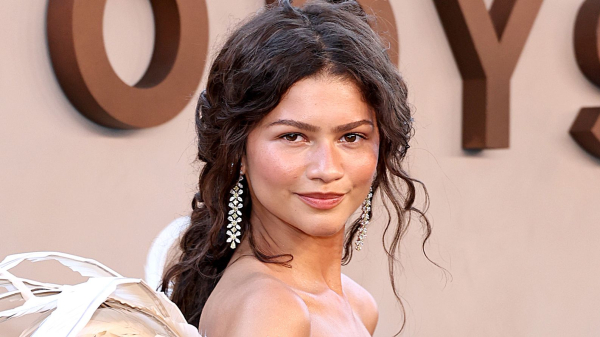
    Zendaya wears a gown with wings. Her hair is gathered into a loose braid.Getty ImagesSave StorySave this storySave StorySave this story

    I look at red carpet photos for a living, so I'm pretty used to gorgeous gowns and glam. But once in awhile, a premiere look absolutely stops me in my tracks—or, more accurately, my scroll—and literally takes my breath away. Enter Zendaya at the New York City premiere of The Odyssey, whose loose, undone (and extra-long) braid and soft, flushed makeup can only be described as “angelic.”

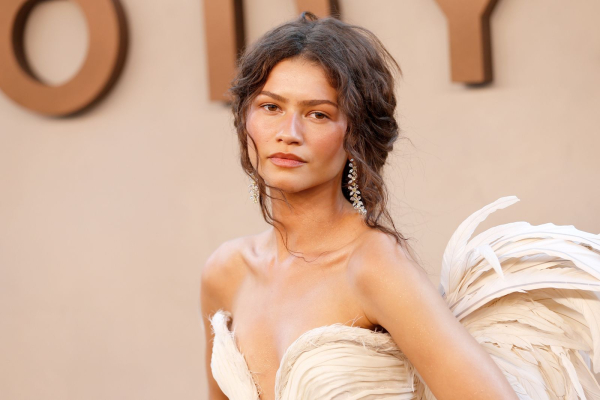
    And I'm talking literally angelic, as the Emmy-winning actor wore a feathered strapless Matières Fécales gown with actual wings attached to her shoulders, leaning into the whole “I'm playing a legendary Greek goddess” theme of her red carpet dressing for the Odyssey press run. (She plays Athena in the movie, and while Athena doesn't typically wear wings, she is sometimes depicted with them.)

    Hairstylist Coree Moreno “effortless texture and romantic movement” with a beautifully soft fishtail braid that flowed all the way down Zendaya's back to mid-hip. “The inspiration was modern romance with an effortless sensibility," he tells Allure. “Zendaya's gown had such an ethereal, sculptural presence that I wanted the hair to feel soft, lived-in, and full of movement. Rather than creating something overly polished, I focused on texture that felt naturally evolved throughout the day. The loose face-framing pieces and airy finish complemented the drama of the dress without competing with it.”

    Moreno used a mix of Bellami Professional Tape-Ins and Wefts in shades Chocolate Rebel and Dark Brown to add length and fullness. One of the key products was Nexxus's AIR SHAPE Workable Hold Texture Spray, which he misted through the mid-lengths and ends of Zendaya's hair to add airy volume, texture, and hold without sacrificing movement or looking stiff or sticky. “Loose” was the key word here, as the hair was gathered gently back at the nape of her neck and braided into a “deconstructed fishtail braid" with the front portions left out of the style to frame her face in easy waves—waves that fluttered in the most gorgeous way as she walked the carpet. A few pieces of hair escaped the braid, adding a windswept texture to the overall style, and Moreno gently pulled apart sections of the braid for fullness and dimension. To lock in the look, he spritzed Zendaya's hair with Nexxus's Maxximum Firm Hold Hairspray.

    Braids have been a key element of many of Zendaya's The Odyssey looks, including the crown braid she wore to the London premiere and the milkmaid braids from Paris.“I’ve always believed that hair should carry emotion, not just shape,” Moreno wrote on Instagram alongside some gorgeous behind-the-scenes shots. “For this look, the goal was to create something that felt lived in, romantic, and weightless—as if it had always belonged to the moment.”

    Zendaya wears a feathered gown and a long fishtail braid.Getty Images

    Makeup artist Ernesto Casillas said the goal was “beautifully luminous and sun-kissed skin,” which he achieved with a base of “fresh, glowing skin” and some strategic cream blush layering. Casillas paired Prada Beauty's Touch Blush shades Caffee and Cherry across Zendaya's cheeks, nose, temples, and chin, where the sun would typically hit, and finished with just “a touch” of Prada Balm in Astral Pink. Does she not look like she just flew down from Mount Olympus to help us on our epic quest?

    Zendaya wears a feathered gown with wings and wears her hair in a loose braid.Getty Images

    Unfortunately for us and our summer beauty inspiration boards, the Odyssey press tour is coming to a close, but we don't have to wait too long for more Zendaya red carpet action; she'll be gearing up for the release of the next Dune movie in just a few months!

  • 9 Best Foundations for Mature Skin That Smooth Texture and Blur Lines

    9 Best Foundations for Mature Skin That Smooth Texture and Blur Lines

    woman with glowing skin on a grey backgroundCARLOS and ALYSESave StorySave this storySave StorySave this story

    As your skin changes, your makeup should evolve with it, and that starts with finding the best foundations for mature skin. These formulas deliver even texture, a healthy radiance, and fine-line-blurring coverage without clinging to dryness or settling where you don’t want it. Many of today’s standout bases are infused with skin-care power players such as hyaluronic acid, vitamin C, and even retinol to tackle common concerns—think: fine lines, dark spots, redness, and dehydration.

    Our Top Foundations for Mature Skin

    • Best Overall: Armani Beauty Luminous Silk Foundation, $69
    • Best for Dry Skin: Chanel Les Beiges Healthy Glow Foundation, $69
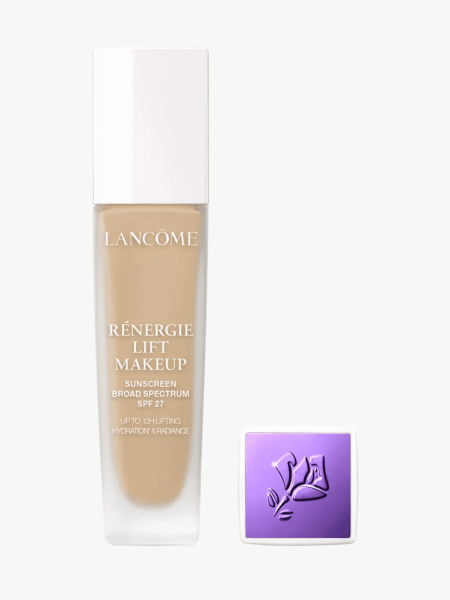
    • Best Medium Coverage: Lancôme Rénergie Lift Makeup Foundation SPF 27, $63
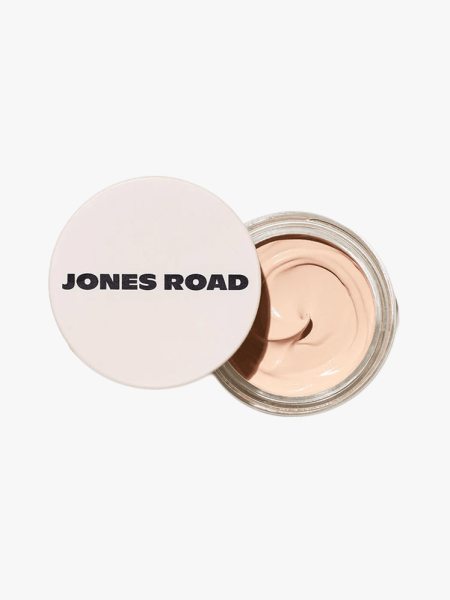
    • Best Lightweight: Jones Road Beauty What the Foundation, $46

    Frequently Asked Questions

    • What to consider when looking for a foundation for mature skin
    • How to prep mature skin for foundation
    • How to apply foundation on mature skin
    • Meet the experts
    • How we test and review products
    • Our staff and testers

    We put in the legwork—consulting makeup artists and leaning on our trusted team of editors—to uncover the foundations that stay smooth, flexible, and crease-free, no matter how expressive you are.

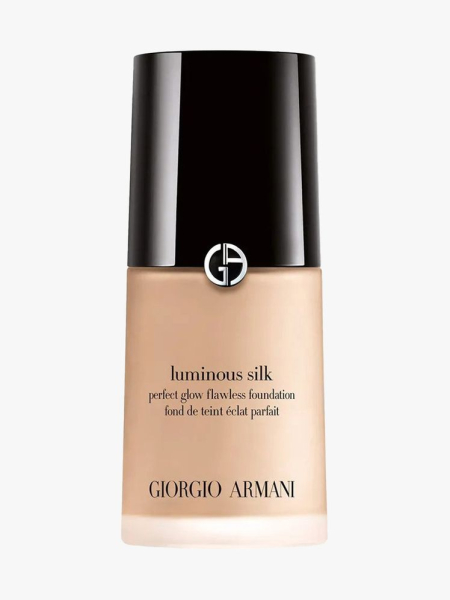
    Best Overall: Armani Beauty Luminous Silk Foundation
    Armani Beauty Luminous Silk Foundation bottle of foundation with black cap on light gray backgroundSave to wishlistSave to wishlist

    Armani Beauty

    Luminous Silk Foundation

    $69

    Nordstrom

    $69

    Sephora

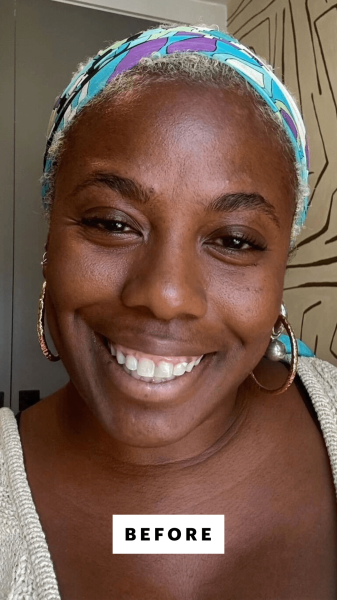
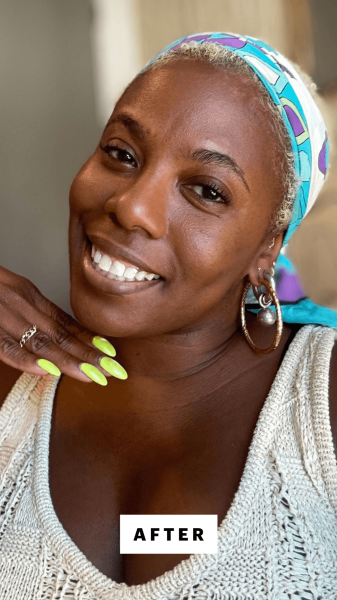
    Why it's worth it: Constantly name-dropped by makeup artists and enthusiasts, Armani Beauty’s Luminous Silk Foundation has earned its icon status with ample accolades, including an Allure Best of Beauty Award. Countless makeup artists, including Beau Nelson and Amrita Mehta, count Meghan Markle's favorite foundation as a go-to for mature clients due to its soft-focus finish and weightless texture. "This one has been a staple in my kit for over 15 years," New York City-based makeup artist Lisa Aharon attests. "It blurs pores and fine lines while leaving the skin with a fresh finish," she says, adding that the medium coverage is ideal for concealing sun spots and other imperfections such as blemishes.

    New York-based makeup artist Lauren D’Amelio Ventre loves that it’s packed with hydration—something aging skin needs more of—and helps make the skin look plumper and smoother. “It leaves a beautiful and flawless finish, and the formula melts into the skin seamlessly,” she says. Even though it’s ultra-hydrating, it’s also lightweight and won’t turn greasy throughout the day, which is why she often reaches for it for long events like weddings.

    Allure creative director Amber Venerable before applying the Armani Beauty Luminous Silk Foundation

    Allure creative director Amber Venerable before applying the Armani Beauty Luminous Silk Foundation

    Amber VenerableVenerable after applying the Armani Beauty Luminous Silk Foundation

    Venerable after applying the Armani Beauty Luminous Silk Foundation

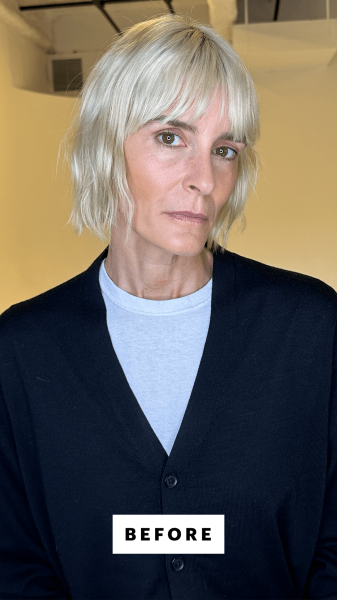
    Amber VenerableAllure tester before applying the Armani Beauty Luminous Silk Foundation

    Allure tester before applying the Armani Beauty Luminous Silk Foundation

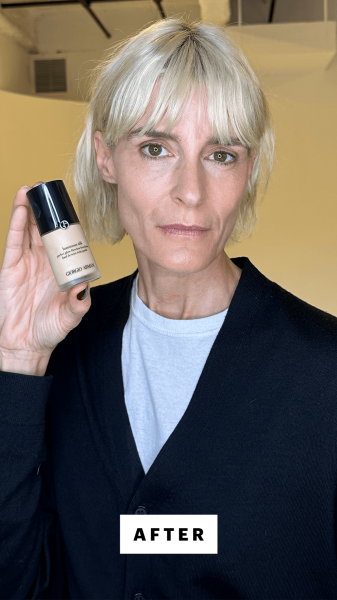
    AllureAllure tester after applying the Armani Beauty Luminous Silk Foundation

    Allure tester after applying the Armani Beauty Luminous Silk Foundation

    Allure

    Tester feedback from creative director Amber Venerable

    AccordionItemContainerButtonLargeChevron

    ​​“I like minimal to light foundation coverage and I thought this had great coverage while also being very lightweight on my skin. My skin was radiant and glowing, so it lives up to the term luminous to say the least! Love it!”—Amber Venerable, creative director

    More to know

    AccordionItemContainerButtonLargeChevron

    • Key ingredient: glycerin
    • Finish: radiant
    • Coverage: medium-to-full
    • Shades: 44

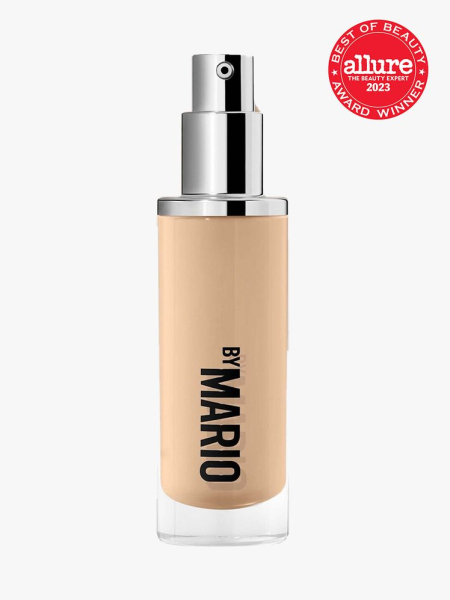
    Best Full-Coverage: Makeup by Mario SurrealSkin Foundation

    Makeup by Mario SurrealSkin Foundation bottle of foundation with silver pump cap on light gray background with red Allure Best of Beauty seal in the top right cornerSave to wishlistSave to wishlist

    Makeup by Mario

    SurrealSkin Foundation

    $48

    Sephora

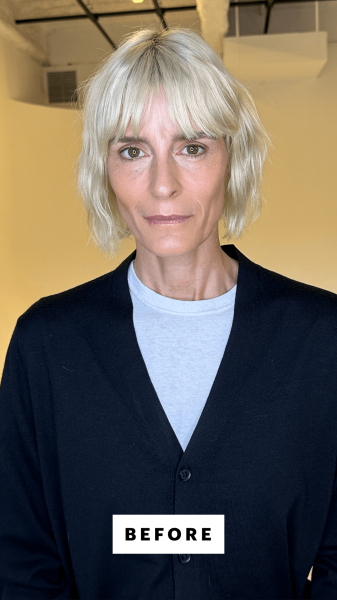
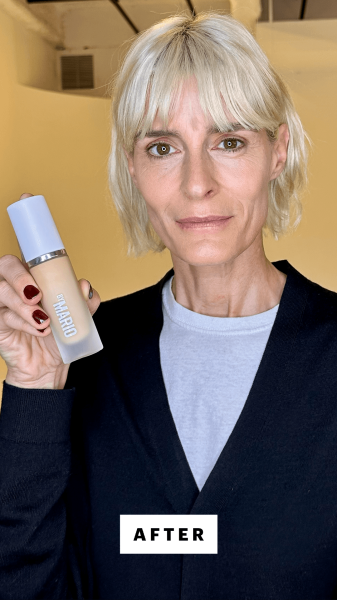
    Allure tester applying the Makeup by Mario SurrealSkin Foundation

    Allure

    Why it's worth it: Our 2023 Best of Beauty Award winner for best full-coverage liquid foundation went to Makeup by Mario's SurrealSkin Foundation—but don’t let the “full-coverage” label fool you. This formula is incredibly lightweight, buildable, and never cakey. Karol Rodriguez, a NYC-based makeup artist, said this foundation is one of her go-tos for people with exceptionally dry skin, which mature folks are prone to. Founder Mario Dedivanovic recommends using just one pump, applying it where you need the most coverage, and building from there. That’s easy to do thanks to skin-friendly ingredients like polyglyceryl-6 polyricinoleate (an ester that gives it a silky, glowy—not greasy—finish), plus hydrating staples like glycerin, grapeseed oil, and sunflower oil to help lock in moisture.

    Allure tester before applying the Makeup by Mario SurrealSkin Foundation

    Allure tester before applying the Makeup by Mario SurrealSkin Foundation

    AllureAllure tester after applying the Makeup by Mario SurrealSkin Foundation

    Allure tester after applying the Makeup by Mario SurrealSkin Foundation

    Allure

    Editor tip

    AccordionItemContainerButtonLargeChevron

    Even though it leaves a slightly dewy finish, our testers with oily skin found it held up beautifully throughout the day without turning shiny. Want something sheer? Mix a pump with your favorite moisturizer and pat it on with your fingers for a more natural, skin-tint effect.

    More to know

    AccordionItemContainerButtonLargeChevron

    • Key ingredients: glycerin, grapeseed oil, sunflower oil
    • Finish: satin
    • Shades: 39

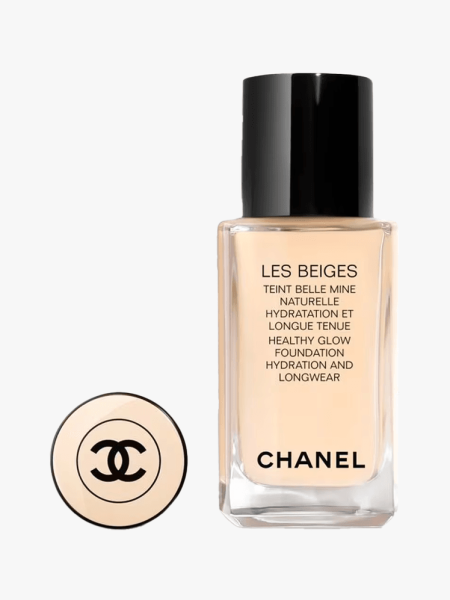
    Best for Dry Skin: Chanel Les Beiges Healthy Glow Foundation

    Chanel Les Beiges Healthy Glow Foundation in branded components on a light gray backgroundSave to wishlistSave to wishlist

    Chanel

    Les Beiges Healthy Glow Foundation

    $69

    Chanel

    $69

    Nordstrom

    $69

    Ulta Beauty

    Why it's worth it: It may be 40% water, but Chanel’s Les Beiges Healthy Glow Foundation is no tinted moisturizer in disguise. The hydrating glycerin-based formula floods skin with moisture, while a mix of lightweight meadowfoam seed oil and silicones keeps the texture cushioned, comfortable, and smooth. “It leaves the skin hydrated and plump, while the radiant finish helps to create a glowy, seamless, and skin-like blend,” says Mehta. “It feels like a lightweight serum but offers light-to-medium, buildable coverage that keeps skin looking fresh and natural.” Aharon agrees, noting that mature skin often leans dry and dull, making a radiant finish ideal. With mica and other soft, light-reflecting pigments as well as a diffusing texture, it’s guaranteed to leave your complexion glowing.

    Tester feedback from Allure contributing commerce writer Christa Joanna Lee

    AccordionItemContainerButtonLargeChevron

    “I’ve always had slightly uneven skin tone, and now that it’s coupled with post-pregnancy melasma, I need more coverage than my usual tinted moisturizer. Les Beiges goes on smooth and creamy, melts in instantly, and evens everything out without looking like I’m wearing makeup. It has that your-skin-but-better vibe, which for me means it’s breathable, lightweight, and with just the right amount of glow.” —Christa Joanna Lee, Allure contributing commerce writer

    More to know

    AccordionItemContainerButtonLargeChevron

    • Key ingredients: glycerin, meadowfoam seed oil, jasmine stem extract, mica
    • Finish: radiant
    • Coverage: sheer-to-medium
    • Shades: 42

    Best Medium Coverage: Lancôme Rénergie Lift Makeup Foundation SPF 27

    Lancôme Rénergie Lift Makeup Foundation SPF 27 in branded component on a light gray backgroundSave to wishlistSave to wishlist

    Lancôme

    Rénergie Lift Makeup Foundation SPF 27

    $63

    Amazon

    $63

    Nordstrom

    $63

    Ulta Beauty

    Why it's worth it: Lancôme’s Rénergie Lift Makeup Foundation doesn't just happen to work well on mature skin; “this formula feels like it was made with intention for people with fine lines and wrinkles," says Magen Grays, a makeup artist based in Atlanta. Beyond the skin-like finish, the formula is packed with nourishing ingredients like ceramides to support the barrier, soybean oil and sorbitol to replenish moisture, and caffeine to “bring skin back to life,” says Grays. Lightweight silicones further create a “smoothing, blurring effect that doesn’t emphasize uneven skin texture,” she says. “It’s radiant without being heavy, and it moves with your face instead of sitting on top of it.

    Editor tip

    AccordionItemContainerButtonLargeChevron

    The built-in SPF 27 is a welcome bonus, but since it falls just shy of the American Academy of Dermatology's recommended SPF 30 for daily sun protection—and most people don't apply enough foundation to achieve the labeled SPF anyway—it should be considered an extra layer of protection, not a replacement for your dedicated sunscreen.

    More to know

    AccordionItemContainerButtonLargeChevron

    • Key ingredients: caffeine, vitamin E, iris extract
    • Finish: natural/radiant
    • Coverage: medium
    • Shades: 20

    Best Lightweight: Jones Road Beauty What the Foundation

    Jones Road Beauty What the Foundation in branded component on a light gray backgroundSave to wishlistSave to wishlist

    Jones Road

    Beauty What the Foundation

    $46

    Jones Road

    Why it's worth it: It makes sense that Bobbi Brown, who helped define the "no-makeup makeup" movement of the '90s—a philosophy that's just as relevant today—would create a foundation that wears more like skin than makeup. Jones Road Beauty's What the Foundation is an ultra-nourishing complexion tint that "blends seamlessly into the skin, leaving you with an even, fresh complexion that looks like your skin on its best day," says Kat Dorn, a makeup artist based in New York City. The lightweight, silky feel comes from jojoba oil, olive oil, and sodium hyaluronate (a form of hyaluronic acid), which keep skin comfortably hydrated throughout the day. If you're looking for full coverage, this isn't it. But if your goal is light to medium coverage that subtly evens your complexion, this formula feels so weightless, you'll forget you're wearing foundation at all.

    Editor tip

    AccordionItemContainerButtonLargeChevron

    Because the formula is rich in nourishing oils, you may notice a little separation over time. If that happens—or if it's applying a bit unevenly—simply give it a quick stir with the back of a makeup brush or a spatula before applying.

    More to know

    AccordionItemContainerButtonLargeChevron

    • Key ingredients: sodium hyaluronate, jojoba oil, olive oil
    • Finish: natural/radiant
    • Coverage: light to medium
    • Shades: 16

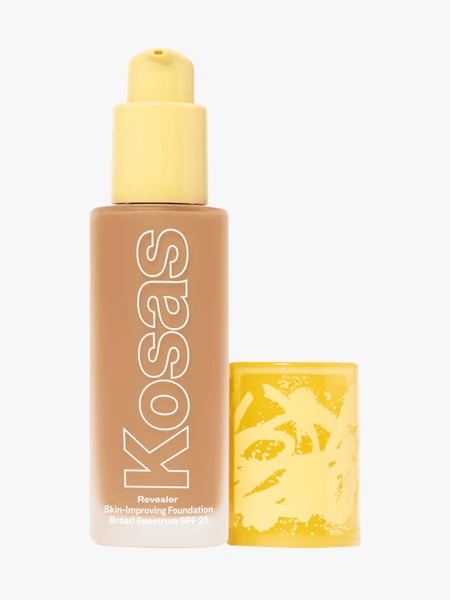
    Best for Sensitive Skin: Kosas Revealer Skin-Improving Foundation SPF 25

    Kosas Revealer Skin-Improving Foundation SPF 25 in branded component on a light gray backgroundSave to wishlistSave to wishlist

    Kosas

    Revealer Skin-Improving Foundation SPF 25

    $45

    Amazon

    $45

    Nordstrom

    $45

    Sephora

    Why it's worth it: If you glanced at the ingredient list without seeing the bottle, you'd probably assume it belonged to a moisturizer—not a foundation. When it launched, the Kosas Revealer Skin-Improving Foundation also became something of an unofficial Allure office uniform—there was a stretch where it seemed like every beauty editor was wearing it because of its dewy finish and ultra-creamy texture.

    “If you have reactive or sensitive skin, its gentle ingredients enhance your complexion without irritation,” says Grays. The formula is packed with staples like niacinamide, which "works with your skin's natural chemistry to improve overall skin texture by rebuilding a lipid layer, minimizing the appearance of pores, and preventing UV damage and inflammation as an antioxidant," Seattle-based board-certified dermatologist Brandith Irwin, MD, previously said. There’s also everyone’s fave hydrator, hyaluronic acid, to “bind water to collagen, trapping it in the skin, so that skin can appear plumper, dewier, and more hydrated," Beverly Hills-based board-certified dermatologist Tsippora Shainhouse, MD, previously explained.

    Editor tip

    AccordionItemContainerButtonLargeChevron

    The formula is rounded out with barrier-supporting squalane and plumping peptides, so if your mature skin also struggles with dryness, this one checks all the boxes.

    More to know

    AccordionItemContainerButtonLargeChevron

    • Key ingredients: niacinamide, squalane, hyaluronic acid, peptides
    • Finish: natural/radiant
    • Coverage: medium
    • Shades: 36

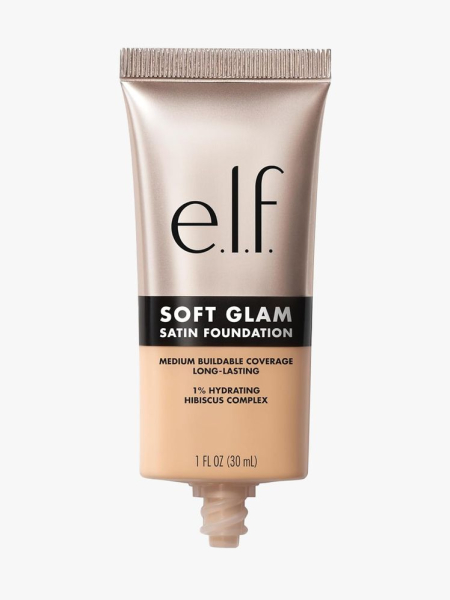
    Best Drugstore: e.l.f. Cosmetics Soft Glam Satin Foundation

    e.l.f. Cosmetics Soft Glam Satin Foundation in branded component on a light gray backgroundSave to wishlistSave to wishlist

    E.L.F. Cosmetics

    Soft Glam Satin Foundation

    $9 $8 (11% off)

    Amazon

    $9

    Ulta Beauty

    $8

    Walmart

    Why it's worth it: E.l.f. Cosmetics’ Soft Glam Satin Foundation is "like a superfood smoothie for the face," says Los Angeles-based makeup artist Scott Barnes—and at just $9, it costs about the same as one. The lightweight, breathable formula is infused with the brand's 1% Hydrating Hibiscus Complex, along with antioxidant-rich pomegranate and goji berry extracts to help keep skin hydrated and comfortable throughout the day. It delivers buildable medium coverage with a natural satin finish that strikes the sweet spot for both dry and oily skin. Barnes also loves how seamlessly it blends into skin, and he calls out the slim squeeze tube as a travel-friendly bonus that's easy to toss into a gym bag or carry-on.

    Editor tip

    AccordionItemContainerButtonLargeChevron

    If you're wearing this on a hot, humid day or have oily skin, apply a blurring primer just through the T-zone to help keep shine at bay without sacrificing its natural satin finish.

    More to know

    AccordionItemContainerButtonLargeChevron

    • Key ingredients: 1% Hydrating Hibiscus Complex, pomegranate, goji fruit
    • Finish: satin
    • Coverage: medium
    • Shades: 36

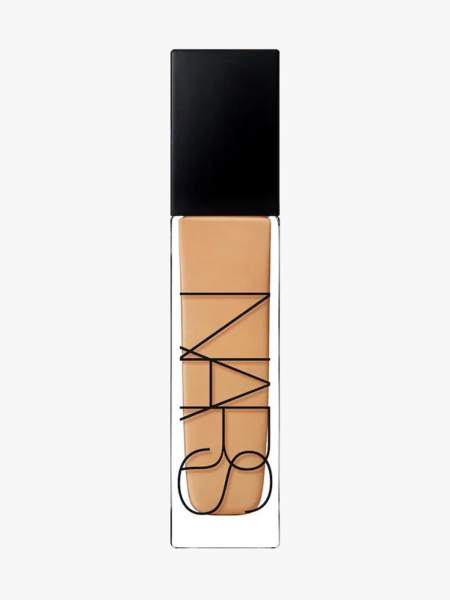
    Best Long-Wearing: Nars Natural Radiant Longwear Foundation

    Nars Natural Radiant Longwear Foundation in branded component on a light gray backgroundSave to wishlistSave to wishlist

    Nars

    Natural Radiant Longwear Foundation

    $55

    Nordstrom

    $55

    Ulta Beauty

    $55

    Sephora

    Why it's worth it: “Long-wearing” and “radiant” might sound like an oxymoron when talking about foundations for mature skin, but Nars’s Natural Radiant Longwear Foundation proves they can coexist. The medium-to-full coverage feels surprisingly lightweight and breathable, yet stays put for up to 16 hours without fading, creasing, or clinging to dry patches. Its longevity comes from a pigment system that prevents color from oxidizing and helps it blend with your natural tone rather than sitting on top. Raspberry, apple, and watermelon extracts give the formula a smoothing, hydrating finish. “When someone wants a more polished result but still wants skin to look alive, this is a go-to,” says Renée Loiz, a makeup artist based in Los Angeles. “It holds up exceptionally well and maintains radiance without breaking down or settling into fine lines.”

    Editor tip

    AccordionItemContainerButtonLargeChevron

    This formula already contains humectants like glycerin, sodium PCA, and sodium lactate to maintain hydration throughout the day, so you might want to apply a lightweight gel moisturizer underneath, especially if you have combination or oily skin.

    More to know

    AccordionItemContainerButtonLargeChevron

    • Key ingredients: raspberry, apple, and watermelon extracts
    • Finish: radiant
    • Coverage: medium-to-full
    • Shades: 36

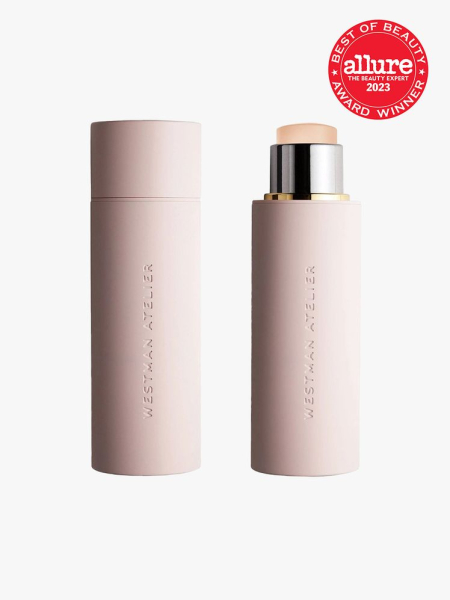
    Best Foundation Stick: Westman Atelier Vital Skin Foundation Stick

    Westman Atelier Vital Skin Foundation Stick light pink twist up foundation stick on light gray background with red Allure Best of Beauty seal in the top right cornerSave to wishlistSave to wishlist

    Westman Atelier

    Vital Skin Foundation Stick

    $68

    Nordstrom

    $68

    Credo Beauty

    $68

    Sephora

    Why it's worth it: Westman Atelier’s Vital Skin Foundation Stick, a 2022 and 2023 Best of Beauty Award winner, has a second-skin-like finish well-suited for mature skin, plus it's loaded with nourishing ingredients like squalane for moisture and phytosphingosine, a naturally occurring lipid found in the skin, to soothe. This cream formula melts into the skin, whether you apply it straight to your face or use a brush. "For radiance and a second-skin finish that doesn't settle into fine lines, I love this formula for mature skin," Aharon says. Due to calming ingredients like squalane and camellia seed oil, Aharon says this fragrance-free foundation is suitable for sensitive skin, regardless of age.

    Editor tip

    AccordionItemContainerButtonLargeChevron

    We also love packing this travel-friendly stick in a shade or two deeper than your complexion to double as a cream bronzer.

    More to know

    AccordionItemContainerButtonLargeChevron

    • Key ingredients: vegetable-derived squalane, berryflux vita extract, camellia seed oil, coconut oil
    • Finish: natural
    • Coverage: medium
    • Shades: 20

    Frequently Asked Questions

    What to consider when looking for a foundation for mature skin

    As you age, your complexion gains texture and leans toward the drier side. New York City-based, board-certified dermatologist Joshua Zeichner, MD, previously told Allure that this is because your skin produces less collagen and fewer natural lipids, such as ceramides and fatty acids, which leads to dehydrated skin and a weaker moisture barrier. When it comes to base makeup, "Fine or not-so-fine lines and larger pores can make foundation look mask-like at best and incredibly unflattering at worst," explains Los Angeles-based makeup artist Fiona Stiles. That's why finding a hydrating foundation is paramount for looking fresh. Tony Tulve, a New York City-based makeup artist, recommends choosing liquid foundations as they "act more like a second skin." Overall, finding a buildable-coverage formula with skin-plumping, fine-line-minimizing ingredients like hyaluronic acid and squalane is the key to a flawless, crease-free base.

    How to prep mature skin for foundation

    Before you touch your makeup brushes, prepping your skin is essential for creating the smoothest finish possible. "Moisture is key, so always make sure you start with a moisturizer that's hydrating but won't turn greasy and interrupt your foundation texture," Barose previously told Allure. Gucci Westman, a Los Angeles-based makeup artist, also emphasized being vigilant about moisturizing your whole face, especially the area around your eyes. Crystal Gossman, a New York City-based makeup artist, adds that layering on hydrating serums and essence toners will give the skin that juicy, plump feel and a natural tackiness to help foundation grip without needing a primer.

    However, if you know you’ll be out and about all day—or have a special event—primer can be helpful for extra long-wearing benefits. Barose recommends blurring formulas and straying away from mattifying formulas. He also gives balm-like formulations (like Danessa Myrick's Yummy Skin Moisture Repair Balm Serum) kudos for conditioning your skin while locking makeup in place. "You also don't need to wear it all over the face,” he explains. “Focus on lines or [other areas] of your face [you want to] blur.”

    How to apply foundation on mature skin

    Tulve leans into the "less is more" philosophy when applying foundation to mature skin. Denser, full-coverage formulations may end up accentuating fine lines, so use a buildable formula you can layer to your desired finish for a seamless, second-skin-like result. "I apply foundation on the larger areas of the face first, like the cheeks and forehead, then I go in and tweak around the nose and the chin area," New York City-based makeup artist Sandy Linter previously told Allure. “Lastly, I'll apply concealer, plus a touch of foundation under the eye area.”

    If you apply your makeup with your fingers, you may want to swap your digits for a makeup sponge or foundation brush to ensure even coverage. "[Using your] fingers can look blotchy, uneven, or gloppy, which can make your lines come out more," Barose said. To buff the foundation in, Barose recommends moving the brush in circular motions. “This will help the foundation spread smoothly, even over hard-to-reach areas with lines and wrinkles,” he notes. To ensure a smooth, blotch-free canvas, you can use a damp sponge as a final step to buff and blend.

    Meet the experts

    • Lisa Aharon, a makeup artist based in New York City
    • Lauren D’Amelio Ventre, a makeup artist based in New York City
    • Crystal Gossman, a makeup artist based in New York City
    • Magen Grays, a makeup artist based in Atlanta
    • Brandith Irwin, MD, a board-certified dermatologist based in Seattle
    • Sandy Linter, a makeup artist based in New York City
    • Renée Loiz, a makeup artist and founder of Color May Vary, based in Los Angeles
    • Amrita Mehta, a bicoastal makeup artist
    • Beau Nelson, a makeup artist based in Los Angeles
    • Tsippora Shainhouse, MD, a board-certified dermatologist based in Beverly Hills, California
    • Fiona Stiles, a makeup artist based in Los Angeles
    • Tony Tulve, a makeup artist based in New York City
    • Gucci Westman, a makeup artist and founder of Westman Atelier, based in Los Angeles
    • Joshua Zeichner, MD, a board-certified dermatologist based in New York City

    How we test and review products

    Before reviewing any makeup, we ask questions about a number of factors: What ingredients are in it? Does the brand offer a wide shade range that includes consumers with all skin tones and undertones? Is it safe for readers who have sensitive skin or wear contact lenses? Is it on the affordable side or more of a splurge? Is its packaging consciously designed or needlessly wasteful?

    For our review of the best foundations for mature skin, we enlisted the help of multiple editors, writers, and contributors, with a particular focus on our 40-plus reviewers. We also relied heavily on trusted makeup artists to speak to the efficacy of these products on mature skin. This ensures our testing base spans different skin tones, genders, and dermatological conditions. We considered each product's performance across four primary categories: ingredients, wear and longevity, packaging, and inclusivity. For more on what's involved in our reporting, check out our complete review process and methodology page.

    Our staff and testers

    A beauty product is a personal purchase. You might be searching for a face cream to address persistent dryness or a new nail product to add to your Sunday self-care routine. You may simply be browsing for the latest launches to hit the hair market. No matter what you seek or your individual needs and concerns, Allure wants to ensure that you love anything we recommend in our stories. We believe that having a diverse team of writers and editors—in addition to the wide range of outside testers and industry experts we regularly call upon—is essential to reaching that goal.

    After all, can we really say a skin-care product is the "best" for people over 50 if the only testers we’ve solicited opinions from are folks who have yet to hit 30? Can we honestly deem a high-end diffuser worthy of your hard-earned cash if it’s never been tested on curls? We’re proud that our staff spans a wide range of ages, skin tones, hair textures, genders, and backgrounds, which means that we are able to fairly assess any beauty product that comes into the beauty closet.

  • How Hair Is Used as “Armor” in House of the Dragon Season 3

    How Hair Is Used as “Armor” in House of the Dragon Season 3

    Emma D'Arcy as Rhaenyra Targaryen in a still from House of the Dragon season three sitting on the throne with a crown.HBO/Ollie UptonSave StorySave this storySave StorySave this story

    For a show filled with fire-breathing dragons and blood-soaked battles, you’d think the hair and makeup would be an afterthought. But for HBO’s House of the Dragon—set roughly 200 years before the events of Game of Thrones and based on George R.R. Martin’s Fire & Blood—the beauty looks are an integral part of the show’s storytelling. Who knew a few medieval braids could hold such meaning?

    A wig-heavy show like this with as many as 20 to 30 principal characters may seem like a daunting task for a hairstylist, but this isn’t Rosalia Culora’s first dance with dragons. The hair department lead also worked on all eight seasons of Game of Thrones, so she knows a thing or two about maintaining the perfect shade of Targaryen blonde and tracking blood splatters across strands during large battle sequences. As the third season airs, she shares more details from behind the scenes of the fantasy hit.

    Emma D'Arcy on set of House of the Dragons season three with her back to the camera showing off her intricately braided...

    A view of Emma D’Arcy’s intricately braided wig for their role as Rhaenyra Targaryen.

    HBO/Theo WhitemanHow the hair in season three tells a story

    Culora says that the hairstyles in the show are part of each character’s arc and personal evolution. “Each look has a backstory to it,” she says, especially with Rhaenyra, who is played by Emma D’Arcy and goes through a transformation from a princess to a warrior, fighting for her rightful title as Queen of the Seven Kingdoms. “When we first meet Rhaenyra in season one, there's a vulnerability…her hair's down quite a lot,” Culora says. “Then, as she becomes more of that dragon rider [and moves] into her own identity, the hair becomes more armored.” This leads to more intricate braiding, she says, adding that the hairstyles for the characters who ride atop the beasts and fight in battles are “part of their armor.”

    The hair designer was inspired by a specific tree in Sicily for the chainmail-like styles. “I've got family that lives right by this tree," she says. “The organic quality and the binding [of the roots]… there's an element of that that I like to put into the hairstyles.” She also takes inspiration from actual chainmail and fabric. “It's all about that texture and trying to create that texture in a hairstyle,” she says.

    Phia Saban as Helaena Targaryen in season three of House of the Dragon.

    Helaena Targaryen’s simple hairstyle in season three.

    HBO

    While Rhaenyra’s hair is shifting from soft to shield-like, the opposite is true for Alicent Hightower and Helaena Targaryen (Olivia Cooke and Phia Saban, respectively), who are both experiencing a loss of power this season. ”There's no trust in [The Red Keep], and it's like they don't want the handmaidens near them,” Culora says, adding that the styles were made to appear as though they’ve done their hair themselves. “You can tell that their hair isn't as regal as previous seasons, and we do see a lot more hair down and a lot more disheveled,” she adds.

    After all of these years in Westeros, Culora has a bit of fun weaving in her own subtle Easter eggs into some of the styles. In episodes one and two of this season, Culora braided a figure three in some character’s hair as a nod to the third season. She did the same at the end of season two, weaving an eight through hairstyles for the eighth and final episode. “I do these hidden things that no one really knows about in their hair,” Culora says. “I actually feature my initials at the end of the last episode, an ‘R’ and a ‘C’ hidden in their hair. It's like a signature.”

    Culora hints that there are other extreme changes when it comes to appearances this season, specifically for Baela and Rhaena Targaryen, who are Daemon Targaryen’s twin daughters. Of course, she can’t give anything away just yet. “It's almost like they're losing part of their identity a little bit,” she hints.

    Look closely and you'll spot an “R” and a “C” braided into Rhaenyra's hair .

    Look closely, and you’ll spot an “R” and a “C” braided into Rhaenyra’s hair (right).

    HBO/Ollie UptonWhat hairstyle would a dragon-rider have?

    Besides braids and the intricate, armor-like weaving, Culora says the silhouettes of the hairstyles mimic the curve of the dragons that the Targaryens are riding. “It just creates this beautiful bit of cinema…and it's not distracting,” she says. It’s also why we see so many half-up, half-down styles in the show. “It's a practicality, but it opens up the face, and it just allows the cast to essentially act and not think about what's going on on top of their head,” Culora says.

    More dragon riding also means less room for frivolous hair ornaments, especially for Rhaenyra, which were prevalent in season one. “It has to be practical, and if they’re on a dragon, it's got to be bound,” she says. During season two, the team focused more on binding the hair, although they did have some dragon ornamentation, but this season, Culora has eliminated all the embellishments.

    Matt Smith as Daemon Targaryen stands in front of a dragon in a still from HBO's House of the Dragon.

    The half-up hairstyles worn by characters like Daemon Targaryen (Matt Smith) echo the silhouette of the dragons they’re riding.

    HBO/Theo WhitemanBethany Antonia as Lady Baela Targaryen in season three of Hous of the Dragon riding a dragon.

    Bethany Antonio as Lady Baela Targaryen atop a dragon.

    HBO/Theo WhitemanThe many wigs of Westeros

    Culora says there are hundreds of wigs used in the show, and almost every principal character that appears in House of the Dragon has custom hairpieces—including Olivia Cooke, who wears a three-quarter wig to play Alicent Hightower. “We used about two inches of Olivia’s own hair front,” Culora says. The wigs were custom-made by Alex Rouse—the London-based company that’s made all the wigs for the series since Game of Thrones—using human hair and a lace-front technique.

    For D’Arcy’s character specifically, Culora cycles between three wigs—but there’s one in particular that she refers to as Rhaenyra’s “blood” wig. Since fake blood is so hard to get out of the white blonde color and often leaves pink stains, the hair team needs specific wigs dedicated to getting dirty. “I could write a book about that wig,” she says. “It's been there from day dot, and it's been on their head for several different [scenes], like the birthing sequence. It was the same wig when young Rhaenyra killed the boar, and there was blood everywhere.”

    Olivia Cooke as Alicent Hightower in season three.

    Olivia Cooke as Alicent Hightower in season three.

    HBO/Ollie Upton

    While the wigs aren’t washed every single night, they do follow a strict regimen of care. “We have to be really careful about where we dry the wigs and how we wash the wigs,” Culora says. “I wash them at an angle. You have to keep on top of it, especially because the seasons are so long and a character, like [Rhaenyra], does a lot. Their working days are long, and they're in many scenes.”

    Culora says they have to be especially careful with the wigs that have locs, worn by many characters who make up House Valeryon. “They do need regular upkeep and maintenance,” she says, especially during the first episode this season that featured the intense Battle of the Gullet. “When we got blood in the locs, I actually had to remove them, and we had standby locs in place to stitch in,” she said.

    Lord Corlys Velaryon  stands on his ship in a still from season three of House of the Dragon.

    Lord Corlys Velaryon (Steve Toussaint) in season three, episode one.

    HBO/Ollie UptonThe secrets behind Targaryen blonde

    While Daenarys Targaryen was the only character with the silvery blonde hair of her ancestors in Game of Thrones (besides her brother, who was killed early on in season one), House of the Dragon centers around the dragon-riding family, meaning that the cast is filled with white-blonde characters. Unfortunately for viewers who want to cosplay as a Targaryen, the icy shade likely won’t be replicable at your local salon. The platinum recipe was created back in 2009 for the very first season of Game of Thrones, although it’s been refined over time. “In theory, it's kind of the same recipe,” Culora says. “There are seven different colors in that wig. It has evolved, and each wig is ever so slightly different.”

    Phoebe Campbell as Rhaena Targaryen in a still from House of the Dragon season three.

    Rhaena Targaryen (Phoebe Campbell) in season three.

    HBO / Theo Whiteman

    To get the frosty look, Culora says it’s important to control what’s happening under the wig as well. “That's why we bald-cap the cast. That way you see partings, you see scalp, you're not seeing hair [underneath],” she says. “There's a vast amount of hair color product that goes under the wigs as well in some cases.” Even for the brunettes. For example, Gayle Rankin, who plays Alys Rivers, had lighter hair than her character’s dark chocolate brown. “Sometimes the stocking cap is not going to cut it,” Culora says. “You have to almost use [the actor’s] own head and hair as a canvas in the prep and color it up to help sell the wig.”

    While Culora doesn’t want to disclose any specific products used on set to avoid fans from selling them out, she says the most used product on set isn’t platinum blonde hair dye—although with the amount of Targaryens in the show, it’s likely a close second. But Culora says there’s something else she and her team can’t live without: “Lots and lots and lots of leave-in conditioner.”

    Emma D'Arcy as Rhaenyra Targaryen Steve Touissant as Lord Corlys Velaryon and Tom Cullen as TK in a still from the The...

    Rhaenyra Targaryen (Emma D’Arcy), Lord Corlys Velaryon (Steve Touissant), and their Targaryen blonde hair.

    HBO

  • Are Drugstore Sunscreens As Good As Luxury Sunscreens?

    Are Drugstore Sunscreens As Good As Luxury Sunscreens?

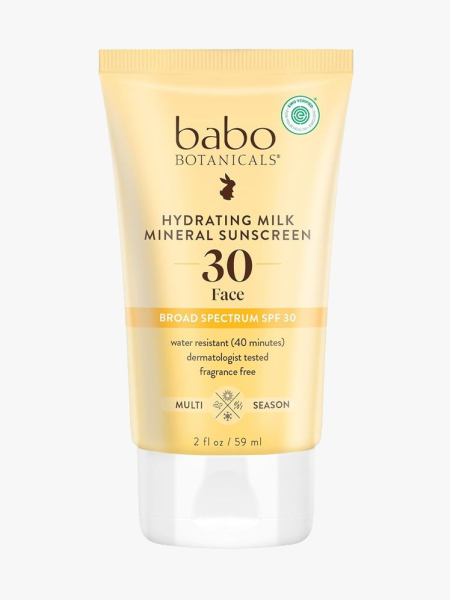
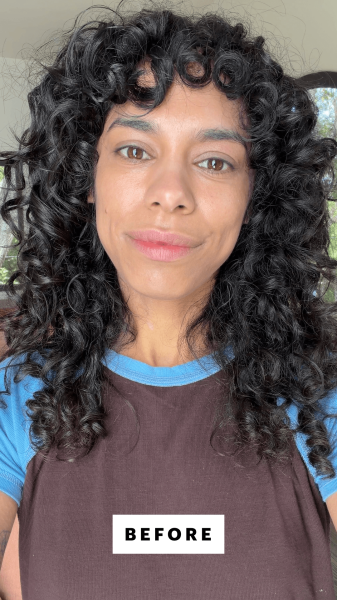
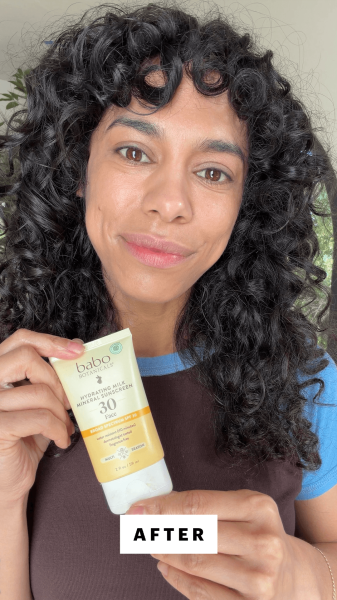
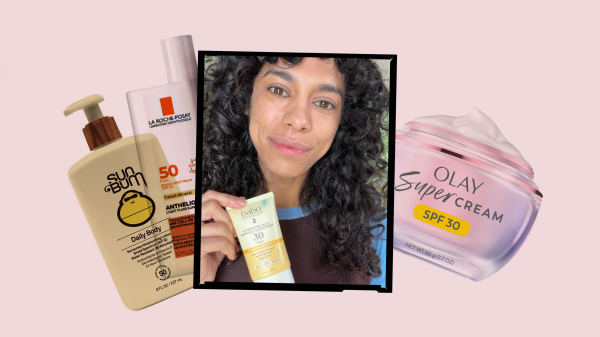
    A collage of Allure senior commerce director Shanna Shipin holding the Babo Botanicals Hydrating Milk Mineral Face...Collage: Paula Balondo; Source images: Courtesy of Allure editors and brandsSave StorySave this storySave StorySave this story

    The best drugstore sunscreens have come a long way in proving that effective sun protection doesn’t have to come with a luxury price tag. Simply put: “If a sunscreen is properly tested, broad-spectrum and used correctly, it doesn’t need to be expensive to be effective,” says Kseniya Kobets, MD, a board-certified dermatologist in New York. In fact, these Allure-approved SPF formulas also offer elegant textures, invisible finishes, and ingredient lists packed with skin-care heavy hitters on top of strong broad-spectrum protection from UV rays.

    That’s good news for your wallet, especially considering how much sunscreen you’re supposed to use. “A shot-glass amount is enough to cover the whole body, and about a nickel- or quarter-size dollop is needed for the face and neck,” says Elizabeth K. Hale, MD, a board-certified dermatologist in New York City. Translation: If you’re applying SPF correctly, you’ll go through your bottle faster than you’d think, which makes finding a drugstore option all the more appealing.

    Our Top Drugstore Sunscreens

    • Best Overall for Face: La Roche-Posay Anthelios Mineral Tinted Ultra-Light Fluid SPF 50, $40
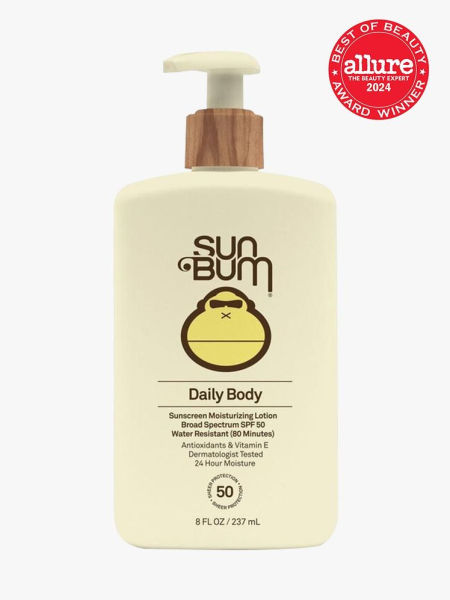
    • Best Overall for Body: Sun Bum Daily 50 Body Lotion, $24
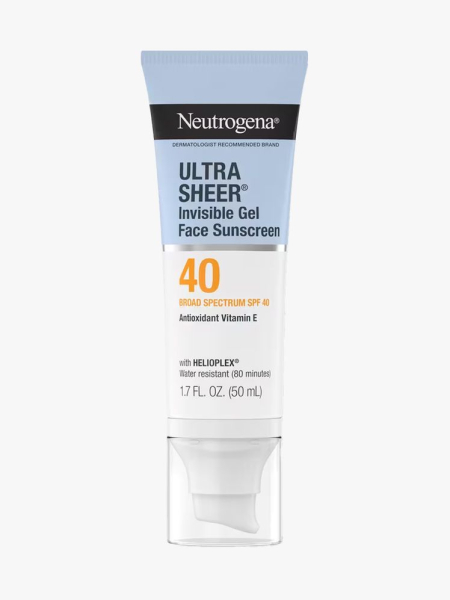
    • Best for Oily Skin: Neutrogena Ultra Sheer Invisible Gel Face Sunscreen SPF 40, $11
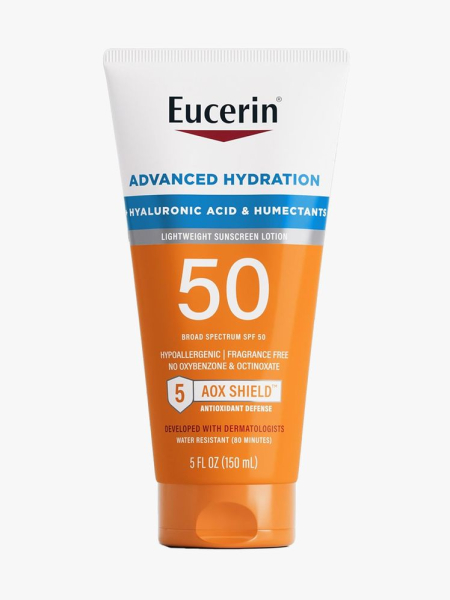
    • Best for Dry Skin: Eucerin Ultra Light-Fluid Advanced Hydration Sunscreen SPF 50, $16
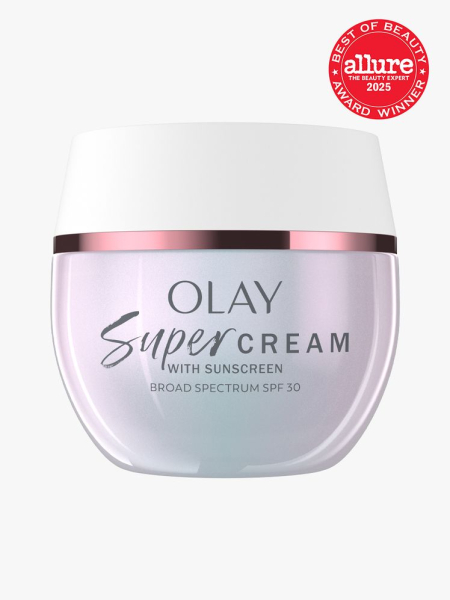
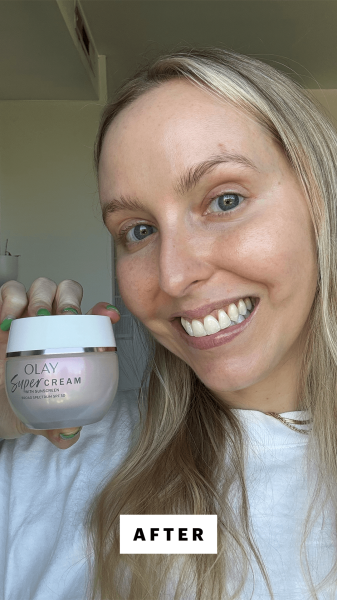
    • Best Moisturizer with SPF: Olay Super Cream With Sunscreen SPF 30, $35

    Frequently Asked QuestionsAccordionItemContainerButtonLargeChevron

    • What should you look for in a drugstore sunscreen?
    • Are mineral or chemical sunscreens better?
    • What’s the benefit of a drugstore sunscreen?
    • Meet the experts
    • How we test and review products
    • Our staff and testers

    Considering there are plenty of SPF options out there—especially when you factor in face sunscreens, body sunscreens, chemical and mineral sunscreens, sticks, sprays, and more—you can start here if you don’t know where to begin. These are the best drugstore sunscreens that are Allure editor- and dermatologist-approved and won’t break the bank.

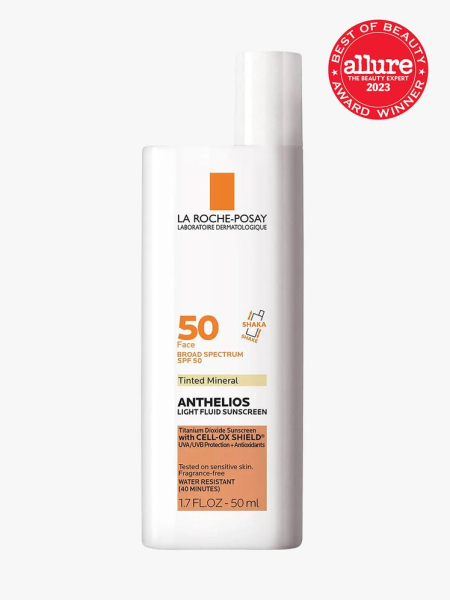
    Best Overall for Face: La Roche-Posay Anthelios Mineral Tinted Ultra-Light Fluid SPF 50

    La Roche-Posay Anthelios Mineral Tinted Ultra Light Face Sunscreen Fluid SPF 50 white rectangle bottle with cap to the right on light gray background with red Allure Best of Beauty seal in the top right cornerSave to wishlistSave to wishlist

    La Roche-Posay

    Anthelios Mineral Tinted Ultra-Light Fluid SPF 50

    $40

    La Roche-Posay

    Allure commerce editor Sarah Han applying the La Roche-Posay Anthelios Mineral Tinted Ultra-Light Fluid SPF 50 in Light

    Sarah Han

    Why we love it: La Roche-Posay is, undoubtedly, one of our favorite French pharmacy brands, especially when it comes to (but not limited to) SPFs—and the Anthelios Mineral Tinted Ultra-Light Fluid SPF 50 is a prime example. Countless dermatologists and editors have touted this extra gentle, soothing-thermal-water-infused formula over the years, cementing its “tried-and-true” status. Made with titanium dioxide and zinc oxide, this mineral tinted sunscreen protects against UVA and UVB rays as well as visible light (which can cause hyperpigmentation and contribute to skin aging), it has a milky texture that melts into skin, doesn’t leave any greasy residue behind, and offers ample antioxidant protection. “It provides broad-spectrum protection in a lightweight fluid texture that layers well under makeup,” Dr. Kobets affirms. “The tint helps blend more naturally into the skin while providing additional protection against visible light.” Speaking of the tint, it’s also available in four shades to be more flexible across several skin tones.

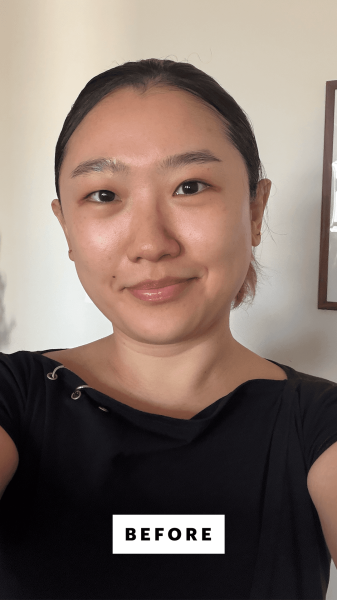
    A selfie of Allure commerce editor Sarah Han before applying the La RochePosay Anthelios Mineral Tinted UltraLight Fluid...

    Han before applying the La Roche-Posay Anthelios Mineral Tinted Ultra-Light Fluid SPF 50 in Light

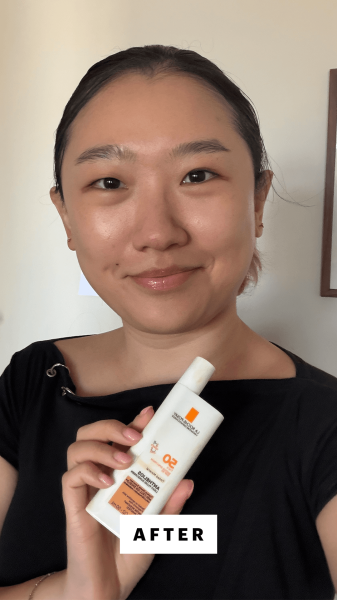
    Sarah HanA selfie of Allure commerce editor Sarah Han after applying the La RochePosay Anthelios Mineral Tinted UltraLight Fluid...

    Han after applying the La Roche-Posay Anthelios Mineral Tinted Ultra-Light Fluid SPF 50 in Light

    Sarah Han

    Tester feedback from commerce editor Sarah Han

    AccordionItemContainerButtonLargeChevron

    “My biggest hesitations about mineral sunscreens are white cast (and mind you, I'm pretty light-toned, so it's not even a huge barrier compared to others) and pilling. I only have a handful of mineral SPFs that pass the test and this La Roche-Posay sunscreen is one of them. It took me a while to finally try it out, but after hearing so many peers and derms rave about it, I finally did—and I've been super impressed. It leaves my skin feeling soft and looking natural, but not too matte or flat. The coverage is super even and the light shade makes my skin look slightly tanned, which is a nice bonus. Most importantly, no pilling, regardless of whether or not I wear it alone or under makeup. Two thumbs up!” —Sarah Han, commerce editor

    Tester feedback from Allure contributor Catharine Malzahn

    AccordionItemContainerButtonLargeChevron

    “I’ve gone through so many bottles of this tinted mineral SPF that I’ve lost count—it’s been one of my go-to sunscreens for years, both for daily use and on vacation. It has an incredibly lightweight feel, absorbs quickly, and doesn’t leave any greasy residue. It also layers well under makeup—I’ve never experienced any pilling or patchiness, and the tinted formula means I never have to worry about it leaving a white cast. When I first started using it years ago, there was only one shade available that would look a little orange on my pale skin; I’m excited that there are several shades available now that work across skin tones.” —Catharine Malzahn, contributor

    More to know

    AccordionItemContainerButtonLargeChevron

    • Type: mineral
    • Key ingredients: titanium dioxide (17%), zinc oxide (8%; not included in the lightest tinted shade), Cell-Ox B3 Shield Technology, iron oxides, vitamin E
    • Water-resistant: no

    Best Overall for Body: Sun Bum Daily Body Lotion SPF 50

    Sun Bum Daily 50 Body Lotion branded yellow bottle component with brown accents on a light gray background with red Allure Best of Beauty seal in the top right cornerSave to wishlistSave to wishlist

    Sun Bum

    Daily Body Lotion SPF 50

    $24

    Ulta Beauty

    Why we love it: When your body sunscreen is chock-full of good-for-you ingredients, it becomes an extension of your skin-care routine rather than a separate step you need to remember. Sun Bum’s Daily Body Lotion SPF 50 was formulated with that exact sentiment in mind. Packed with vitamin C to boost radiance, vitamin E to moisturize, and antioxidants to combat environmental stress, the Best of Beauty winner offers major hydration so you can do more than just protect your skin from damaging UV rays. The broad-spectrum formula is water-resistant for up to 80 minutes, making it a great choice if you’ll be swimming or sweating (just don’t forget to reapply!). "I love how it's in a regular lotion pump bottle and rubs in nicely," our tester said. "Plus, it smells like banana candy. So good!"

    More to know

    AccordionItemContainerButtonLargeChevron

    • Type: chemical
    • Key ingredients: avobenzone (3%), homosalate (8%), octisalate (5%), octocrylene (9%), vitamin E, antioxidants
    • Water-resistant: yes (80 minutes)

    Best for Dry Skin: Eucerin Ultra Light-Fluid Advanced Hydration Sunscreen SPF 50

    Eucerin Ultra Light-Fluid Advanced Hydration Sunscreen SPF 50 in branded tube component on a light gray backgroundSave to wishlistSave to wishlist

    Eucerin

    Ultra Light-Fluid Advanced Hydration Sunscreen SPF 50

    $16

    Amazon

    Allure beauty director Sarah Kinonen applying the Eucerin Ultra Light-Fluid Advanced Hydration Sunscreen SPF 50

    Sarah Kinonen

    Why we love it: Dry skin benefits from a sunscreen that does more than just protect; it should actively boost hydration throughout the day. That’s where Eucerin’s Ultra Light-Fluid Advanced Hydration Sunscreen SPF 50 steps in. Thirsty skin will appreciate that this lightweight formula contains hyaluronic acid and humectants to hydrate from within, as well as draw in additional moisture. What’s more, it also helps to protect skin against long-term sun damage with the inclusion of the brand’s 5 AOX Shield Technology, which is made up of five different antioxidants (vitamin E, vitamin C, and glycyrrhetinic acid, to name a few). Despite coming with all these skin-care benefits, it manages to remain feeling weightless on the skin, absorbing quickly and blending in seamlessly, so it can be worn on its own or under makeup.

    Kinonen before applying the Eucerin Ultra LightFluid Advanced Hydration Sunscreen SPF 50

    Kinonen before applying the Eucerin Ultra Light-Fluid Advanced Hydration Sunscreen SPF 50

    Sarah KinonenKinonen after applying the Eucerin Ultra LightFluid Advanced Hydration Sunscreen SPF 50

    Kinonen after applying the Eucerin Ultra Light-Fluid Advanced Hydration Sunscreen SPF 50

    Sarah Kinonen

    Tester feedback from Allure beauty director Sarah Kinonen

    AccordionItemContainerButtonLargeChevron

    tk

    More to know

    AccordionItemContainerButtonLargeChevron

    • Type: chemical
    • Key ingredients: avobenzone (3%), homosalate (9%), octisalate (4.5%), octocrylene (9%), hyaluronic acid
    • Water-resistant: no

    Best for Sensitive Skin: Babo Botanicals Hydrating Milk Mineral Face Sunscreen SPF 30

    Babo Botanicals Hydrating Milk Mineral Face Sunscreen SPF 30 in branded tube component on a light gray backgroundSave to wishlistSave to wishlist

    Babo Botanicals

    Hydrating Milk Mineral Face Sunscreen SPF 30

    $25

    Amazon

    Allure senior commerce director Shanna Shipin applying the Babo Botanicals Hydrating Milk Mineral Face Sunscreen SPF 30

    Shanna Shipin

    Why we love it: Sensitive skin can be picky when it comes to sunscreen—breakouts, irritation, and redness are all possibilities—so if your skin is reactive, opt for a gentle, fragrance-free mineral formula like Babo Botanicals Hydrating Milk Mineral Face Sunscreen SPF 30. (Dermatologists recommend mineral-based sunscreens for sensitive skin in general, as mineral UV filters can be gentler since they sit on top of the skin rather than penetrating it.) Powered by zinc oxide, it provides water-resistant, broad-spectrum protection and has a lightweight, milky texture that applies smoothly and easily. In fact, it feels more like a nourishing moisturizer than a traditional mineral sunscreen (read: no chalkiness here), leaving behind a natural, dewy finish. In addition to the zinc oxide, it’s infused with plant-based emollients, skin soothers like chamomile and calendula, and zero fragrance, so it won’t set off your skin.

    Shipin before applying the Babo Botanicals Hydrating Milk Mineral Face Sunscreen SPF 30

    Shipin before applying the Babo Botanicals Hydrating Milk Mineral Face Sunscreen SPF 30

    Shanna ShipinShipin after applying the Babo Botanicals Hydrating Milk Mineral Face Sunscreen SPF 30

    Shipin after applying the Babo Botanicals Hydrating Milk Mineral Face Sunscreen SPF 30

    Shanna Shipin

    Tester feedback from Allure senior commerce director Shanna Shipin

    AccordionItemContainerButtonLargeChevron

    “I love a brand that I can use for myself and my kids, and Babo Botanicals makes great sensitive-skin-friendly products that are affordable enough to use on the whole family. This sunscreen leaves no white cast and wears so comfortably on the skin—I was surprised at how elegant it felt when I first applied it, despite being something I could buy at the grocery store. When I spoke with Babo Botanicals' team, they told me they created the formula with all seasons in mind. Sure, I live in Los Angeles and it can feel like there's essentially one season here, but the point is that the all-seasonality makes it comfortable to wear when it’s hot, cold, dry, or humid—you get the picture. My skin usually starts to feel suffocated when I layer too many formulas over it, and I'm happy to say that this sits nicely on top of my moisturizer and under my makeup. (And when I wear it without makeup, it leaves a pretty glow.) The only issue I found is that I stuffed one tube in my diaper bag, and it got absolutely smushed, causing one end to burst open and splatter—thankfully, it's not a super oily mineral product, so it washed out just fine.“ —Shanna Shipin, senior commerce director

    More to know

    AccordionItemContainerButtonLargeChevron

    • Type: mineral
    • Key ingredients: zinc oxide (17%), chamomile, calendula, passion fruit piceatannol ferment
    • Water-resistant: yes (40 minutes)

    Best for Moisturizer with SPF: Olay Super Cream With Sunscreen SPF 30

    Olay Super Cream With Sunscreen SPF 30 in branded holographic jar with white lid on light gray background with red Allure Best of Beauty seal in the top right cornerSave to wishlistSave to wishlist

    Olay

    Super Cream With Sunscreen SPF 30

    $35 $31 (11% off)

    Amazon

    Allure beauty director Sarah Kinonen applying the Olay Super Cream with Sunscreen SPF 30

    Sarah Kinonen

    Why we love it: Moisturizers with SPF combine two essential skin-care steps into one, protecting against UV damage while delivering lasting hydration, moisture, and firming- and radiance-boosting benefits. Good news: Drugstore classic, the Olay Super Cream Sunscreen SPF 30, delivers on all fronts. The multitasking Best of Beauty Award winner combines chemical UV filters with ingredients commonly found in potent serums (like this cream’s beloved cousin, Super Serum), including vitamins C and E, hyaluronic acid, niacinamide, and collagen peptides. Together, they help hydrate, plump, firm, and visibly smooth. Best of all, it absorbs without a white cast or greasy residue, and leaves skin looking bright, radiant, and supple throughout the day.

    Image may contain Face Happy Head Person Smile Blonde Hair Teen Photography and Portrait

    Kinonen before applying the Olay Super Cream with Sunscreen SPF 30

    Sarah KinonenImage may contain Head Person Face Body Part Finger Hand Adult Cosmetics Happy Smile Bottle Perfume and Makeup

    Kinonen after applying the Olay Super Cream with Sunscreen SPF 30

    Sarah Kinonen

    Tester feedback from Kinonen

    AccordionItemContainerButtonLargeChevron

    “I'm not usually a multiuse skin care kinda girl. I like my products to do one and one thing only. But lately, because it's so hot outside and I'm usually running late (oops), two-in-ones don't sound so bad. Hence why I've been using the Olay Super Cream SPF 30 on days when I simply just Can Not. It's rich but easily blendable, doesn't leave behind a cast, and has a decent SPF level my dermatologist would approve of. What's not to like?” —Sarah Kinonen, beauty director

    More to know

    AccordionItemContainerButtonLargeChevron

    • Type: chemical
    • Key ingredients: avobenzone (3%), homosalate (9%), octisalate (4.5%), octocrylene (6%), hyaluronic acid, niacinamide, collagen peptides, vitamin C, vitamin E
    • Water-resistant: no

    Best for Oily Skin: Neutrogena Ultra Sheer Invisible Gel Face Sunscreen SPF 40

    Neutrogena Ultra Sheer Invisible Gel Face Sunscreen SPF 40 in branded tube component on a light gray backgroundSave to wishlistSave to wishlist

    Neutrogena

    Ultra Sheer Invisible Gel Face Sunscreen SPF 40

    $19 $11 (42% off)

    Amazon

    $23

    Ulta Beauty

    Why we love it: Gel sunscreens and oily skin are a match made in heaven. Rather than cream formulations that rely on heavier emollients, gel-based sunscreens are water-based, more lightweight, and absorb quickly with no residue. Neutrogena Ultra Sheer Invisible Gel Face Sunscreen SPF 40 caters to that exactly: The water-resistant gel SPF defends against the sun and won’t leave behind a greasy film or compete with your makeup—the matte finish actually works well under foundation, even acting as a makeup primer to smooth skin. But just because it mattifies doesn’t mean it’s drying—the velvety-touch sunscreen still moisturizes and protects skin with antioxidant vitamin E and hydrogenated castor oil.

    More to know

    AccordionItemContainerButtonLargeChevron

    • Type: chemical
    • Key ingredients: avobenzone (3%), homosalate (15%), octisalate (5%), octocrylene (10%), Helioplex Technology, vitamin E
    • Water-resistant: yes (80 minutes)

    Best Spray Sunscreen: Banana Boat 360 Coverage Sport Sunscreen Mist SPF 50+

    sunscreen mist in branded orange and blue bottle on light gray background with red and white 2024 allure best of beauty sealSave to wishlistSave to wishlist

    Banana Boat

    360 Coverage Sport Sunscreen Mist SPF 50+

    $15 $9 (40% off)

    Amazon

    Why we love it: Spray sunscreens are hard to beat when it comes to convenience: They make application and re-application infinitely faster and easier than their lotion counterparts. Allure Best of Beauty winner Banana Boat 360 Coverage Sport Sunscreen Mist SPF 50+ takes that convenience a step further with a smart nozzle that lets you switch between a continuous spray for larger areas and shorter bursts for smaller, harder-to-reach spots (it’s also aerosol-free). Plus, the broad-spectrum chemical formula goes on lightweight and virtually invisible on all skin tones, with none of the sticky, greasy feeling that can make wearing body sunscreen feel like a chore. Water-resistant for up to 80 minutes, it’s perfect for beach days and any outdoor activities that involve swimming or sweating.

    More to know

    AccordionItemContainerButtonLargeChevron

    • Type: chemical
    • Key ingredients: avobenzone (2.7%), homosalate (9%), octisalate (4.5%), octocrylene (7%)
    • Water resistant: yes (80 minutes)

    Frequently asked questions

    What should you look for in a drugstore sunscreen?

    I look for broad-spectrum protection, meaning there’s coverage against both UVB rays, which cause sunburn, and UVA rays, which contribute to pigmentation, melasma, and premature aging,” says Dr. Kobets. The label on the sunscreen will clearly state if it’s broad-spectrum. In addition to a broad-spectrum sunscreen, dermatologists and the American Academy of Dermatology (AAD) also recommend wearing a formula that’s SPF 30 or higher.

    If you’ll be sweating or exposed to water, make sure to choose a water-resistant sunscreen. Like with broad-spectrum, the label on the bottle will clearly state if it’s water-resistant (usually, sunscreens are water-resistant for 40 or 80 minutes). If the label doesn’t mention anything about water resistance, that means it’s not.

    Beyond the SPF number and other features on the label, cosmetic elegance matters more than you may realize. “If a sunscreen feels greasy, pills under makeup, or leaves a cast that someone dislikes, they’re less likely to apply enough or reapply consistently,” says Dr. Kobets. So, it’s a good idea to try several formulas until you find the one you really enjoy.

    For those dealing with hyperpigmentation, consider tinted sunscreens that contain iron oxides, which help protect against visible light in addition to UV rays. It’s “an important consideration for people suffering from melasma or conditions like lupus or sun-induced rashes,” says Serena Mraz, MD, a double board-certified dermatologist at Solano Dermatology and Associates in Vallejo, CA.

    Another factor worth considering is skin type. Fortunately, “many drugstore brands now offer excellent formulations tailored to a variety of skin types, including sensitive, acne-prone, oily, and mature skin,” notes Dr. Kobets, making it easier than ever to find an SPF that fits your individual needs. Overall, sensitive skin types may want to gravitate toward mineral formulas containing zinc oxide or titanium dioxide, which both Dr. Kobets and Dr. Mraz say are typically well-tolerated. Those with melasma or hyperpigmentation should consider tinted sunscreens with iron oxides for added protection against visible light. Meanwhile, oily or acne-prone skin types may prefer lightweight fluids and gels that are noncomedogenic and won’t feel heavy throughout the day. For mature or dry skin, look for hydrating and moisturizing ingredients like hyaluronic acid, glycerin, ceramides, and niacinamide.

    Are mineral or chemical sunscreens better?

    One isn’t better than the other, necessarily (the best sunscreen is the one you’ll actually wear). While Dr. Mraz strongly advocates for mineral sunscreens and notes that “patients with sensitive skin tend to do much better with mineral-based sunscreens, which include zinc oxide, titanium dioxide, and iron oxide,” other doctors take a more flexible approach.

    “I generally gravitate toward mineral sunscreens, especially for patients with sensitive skin, rosacea, eczema, acne-prone skin, melasma, or those recovering from cosmetic procedures,” says Dr. Kobets. However, mineral sunscreens aren’t for everyone. “Some people dislike the texture or white cast associated with mineral formulas and may do better with a chemical sunscreen,” adds Dr. Kobets. “In those cases, a chemical sunscreen is absolutely appropriate if it encourages consistent use.”

    Dr. Hale agrees with the flexible take and wouldn’t say that one is better than the other. “At this point, I would say that both physical and chemical sunscreens are safe and they are effective,” she says. In fact, she notes that hybrid formulas containing both chemical and mineral SPF actives can sometimes offer the best of both worlds, since combining the two can help avoid white cast and offer broad-spectrum protection.

    What’s the benefit of a drugstore sunscreen?

    As with any sunscreen, the best drugstore sunscreens protect skin against harmful UV rays, of course. Simply put, “wearing daily sunscreen is the best way to slow down development of skin cancer and premature aging of the skin,” says Dr. Hale. But drugstore sunscreens offer so much more than just protection. One of the biggest advantages of drugstore sunscreen is accessibility. “Drugstore sunscreens are widely available, affordable, and easy to replace, which encourages consistent daily use and reapplication,” says Dr. Kobets. Dr. Mraz agrees, noting that “more affordable cost is the predominant overarching advantage over a more expensive department store sunscreen.”

    Dr. Hale also points out another benefit that could be overlooked: volume. Because of the importance of applying and re-applying enough sunscreen, buying a more affordable option often makes practical sense. “There may be some merit in getting a less expensive sunscreen, where you’re getting more quantity of it for the same price,” she says. If a lower price point makes you more likely to apply the recommended amount and reapply throughout the day, that’s ultimately what matters most.

    Meet the experts

    • Elizabeth K. Hale, MD, is a clinical associate professor of dermatology at NYU Langone Health, senior vice president of the Skin Cancer Foundation, and board-certified dermatologist in New York City.
    • Kseniya Kobets, MD, is a board-certified dermatologist and Director of Cosmetic Dermatology at Montefiore Einstein Advanced Care in New York.
    • Serena Mraz, MD, is a double board-certified dermatologist at Solano Dermatology and Associates in Vallejo, California.

    How we test and review products

    We always enlist a range of testers for our makeup vertical, but, for example, hair-care products and tools are another story. While some hair products can be used across different textures, lengths, curl patterns, thicknesses, and colors (natural and unnatural), they are often created with specific consumers in mind. Many are formulated to address a concern (dandruff, breakage, brittleness) or to work most effectively for a specific hair type (4C curls, wavy hair, gray hair). You wouldn’t want to pick up a purple shampoo that’s only been reviewed by someone with, say, auburn hair, or a diffuser that’s never been tested by anyone with curls, right?

    And for our reviews of the best drugstore sunscreens, we enlisted the help of multiple editors, writers, contributors, cosmetic chemists, and makeup artists with a range of experience studying and using these products. Testers considered performance across four primary categories: efficacy, texture, experience, and formula. For more on what's involved in our reporting, check out our complete reviews process and methodology page.

    Our staff and testers

    A beauty product is a personal purchase. You might be searching for a face cream to address persistent dryness or a new nail product to add to your Sunday self-care routine; you may simply be browsing around for the latest launches to hit the hair market. No matter what you seek or your individual needs and concerns, Allure wants to ensure that you love anything we recommend in our stories. We believe that having a diverse team of writers and editors—in addition to the wide range of outside testers and industry experts we regularly call upon—is essential to reaching that goal.

    After all, can we really say a skin-care product is the “best” for people over 50 if the only testers we’ve solicited opinions from are folks who have yet to hit 30? Can we honestly deem a high-end diffuser worthy of your hard-earned cash if it’s never been tested on curls? We’re proud that our staff spans a wide range of ages, skin tones, hair textures, genders, and backgrounds, which means that we are able to fairly assess any beauty product that comes into the beauty closet.

  • How to Make Your Makeup Last All Day (No, Really)

    How to Make Your Makeup Last All Day (No, Really)

    Allure staff demonstrating tips on how to make makeup last all day longSource Images: Allure staffSave StorySave this storySave StorySave this story

    Who among us hasn’t left the house feeling like their makeup looks flawless, only to catch their reflection a few hours later and wonder where half of it went? Between heat, normal facial movements, skin type, and stress-induced face-touching, keeping makeup in place and looking just as fresh as when you applied it can feel like a full-blown side hustle—but without the money.

    Fortunately, creating a truly long-lasting, sweat-proof makeup look isn't about piling on more products. It's about using the right techniques from the very beginning. In fact, some of the most effective tricks happen before you apply your foundation. The timing of your skin-care routine, the way you use (or don’t use) primer, how you apply powder, and even what you do before filling in your brows can make a surprisingly big difference in how well your makeup holds up.

    To separate fact from fiction in the quest for long-lasting makeup, we asked professional makeup artists Katie Jane Hughes, Karol Rodriguez, and Jenny Patinkin to share the tips they rely on when they need makeup to withstand hours under hot lights, in front of the camera, or just existing in the real world. Ahead, discover their best advice for making your makeup stay put, from strategic layering techniques to inevitable touch-up tricks that can help keep everything unwavering from morning to night.

    Don’t jump into makeup immediately after skin care

    Being in a rush and having your makeup last are not reconcilable, especially when it comes to timing your makeup application to your skin care. It’s an absolute must to put some space between the last step in your skin-care routine and the first step of your makeup routine. “It’s best to let your skin care dry down a little bit before moving on to makeup,” says Patinkin. Hughes agrees, telling Allure you should wait five to seven minutes, “then go on with a complexion product.”

    You’ll know it’s time when your skin doesn’t feel slick anymore. “I have dry skin, so I like to go in with a thicker moisturizer,” Rodriguez says. “When I can tap my cheek, and it's no longer wet—just bouncy—that's when I know I'm ready for makeup.”

    Use as little product as possible

    Is “less is more” a cliché? Yes. Is that because it’s true? Also, yes, especially when it comes to makeup and the skin care you’re applying before it. “Don't overdo skin care because too much is detrimental to your makeup,” Hughes says.

    Our pros unanimously agree. Rodriguez says resist the urge to do a full "12-step Korean skin care routine" before starting your makeup. “You're making a little mess.” Instead, they say, use minimal product all the way up to your powder.

    Patinkin always tells her clients, the thinner the layer, the longer the wear. “Definitely use a light hand, apply as little product as you can get away with, and you don’t have to apply makeup on every surface of your face—especially those areas that are prone to getting sweaty, like the sides of the nose and the upper lip.”

    Foundation primer is optional—unless you’re oily or sweat-prone

    Allure social media manager Bianca Richards applying Danessa Myricks Yummy Skin Blurring Balm Powder before base makeupCourtesy of subjectDanessa Myricks Beauty Yummy Skin Blurring Balm Powder in Universal in branded component on a light gray backgroundSave to wishlistSave to wishlist

    Danessa Myricks

    Yummy Skin Blurring Balm Powder Universal

    $39

    Sephora

    Bianca Richards holding up primer productRichards immediately after applying Danessa Myricks Yummy Skin Blurring Balm Powder under her base makeupCourtesy of subjectBianca Richards holding up primerRichards five hours after base makeup applicationCourtesy of subject

    Patinkin says she’s not a big primer person, noting that the aforementioned thin layers of skin care can have just as much of an impact on the longevity of your makeup.

    Although Rodriguez doesn’t insist on primer either, they do acknowledge how helpful it can be if you’re working with oily skin or you tend to get sweaty. For very oily skin, they recommend Danessa Myricks Yummy Skin Blurring Balm Powder Universal, which Bianca Richards, Allure's social media manager, routinely uses for her combination skin.

    Eye shadow primer, on the other hand, is not optional

    Allure senior editor Jesa Marie Calaor applying eye primer before shimmering shadow and liquid linerCourtesy of subjectToo Faced Shadow Insurance 24-Hour Eyeshadow Primer mint and gold vial of eye shadow primer on light gray backgroundSave to wishlistSave to wishlist

    Too Faced

    Shadow Insurance 24-Hour Eyeshadow Primer

    $28 $24 (14% off)

    Amazon

    $28

    Nordstrom

    $28

    Ulta Beauty

    Jesa Marie Calaor wearing winged eyelinerCalaor immediately after applicationCourtesy of subjectCalaor holding up Too Faced Shadow Insurance 24Hour Eyeshadow Primer five hours after applicationCalaor five hours after applicationCourtesy of subject

    “If you’re wearing powder eye shadow, eyelid primer is a must,” Patinkin insists, saying that it creates a smooth layer that prevents the sebum that’s naturally present on your lid from disturbing the shadow. She happens to love Nars Pro-Prime Smudge Proof Eyeshadow Base.

    But you don’t necessarily have to use something specifically indicated as an eye shadow primer to make your look last. Hughes and Rodriguez are fans of simply applying some powder to your lids before going in with shadow. “The best eye shadow primer is just a bit of setting powder to neutralize the base and make it not sticky,” Hughes says. “But if you need more longevity than that, I would say go in with a Laura Mercier Caviar Stick, put some setting powder over the top once you’re done blending it, and then go in with your powder eye shadow for a really bulletproof eye.”

    Nars Pro-Prime Smudge Proof Eyeshadow Base in branded component on a light gray backgroundSave to wishlistSave to wishlist

    Nars

    Pro-Prime Smudge Proof Eyeshadow Base

    $28

    Nordstrom

    $28

    Sephora

    Laura Mercier Caviar Stick Eye Shadow in branded component with best of beauty seal in the top right corner on a light gray backgroundSave to wishlistSave to wishlist

    Laura Mercier

    Caviar Stick

    $33

    Amazon

    $33

    Nordstrom

    $33

    Sephora

    Jesa Marie Calaor, Allure’s senior editor, considers primer essential for all eye looks, especially if you have oily lids. She considers Too Faced Shadow Insurance 24-Hour Eyeshadow Primer “ol’ reliable.” “My lids will eat anything you lay on top of them, and this primer not only prevents that from happening, but it also keeps my eye makeup looking vivid for hours.”

    Double up on powder

    Richards applying loose and pressed powdersCourtesy of subjectFenty Beauty branded powder component on light gray backgroundSave to wishlistSave to wishlist

    Fenty Beauty

    Fenty Beauty by Rihanna Pro Filt'r Instant Retouch Setting Powder

    $36

    Ulta Beauty

    $36

    Sephora

    Bianca Richards holding up Fenty powdersRichards immediately after applying loose and pressed powdersCourtesy of subjectBianca Richards holding up Fenty powdersRichards five hours after applicationCourtesy of subject

    Powder is arguably the most important element of long-lasting makeup. (“It's your best friend,” says Rodriguez.) If you’ve ever wondered which is going to help your makeup last longer—pressed or loose—the answer may surprise you: both—together.

    Rodriguez recommends using a loose powder (like the Makeup by Mario SurrealSkin Soft Blur Setting Powder) first, before adding your pressed powder (like the Charlotte Tilbury Airbrush Flawless Finish) when setting your face.

    Makeup by Mario SurrealSkin Soft Blur Setting Powder in branded component on a light gray backgroundSave to wishlistSave to wishlist

    Makeup by Mario

    SurrealSkin Soft Blur Setting Powder

    $38

    Sephora

    Charlotte Tilbury Airbrush Bronzer in branded component with the best of beauty 2025 seal in the top right corner on a light gray backgroundSave to wishlistSave to wishlist

    Charlotte Tilbury

    Airbrush Bronzer

    $59

    Amazon

    $59

    Nordstrom

    $59

    Ulta Beauty

    Richards also doubles up on powder (both by Fenty Beauty), but she has her own method with an extra step. First, she sets her entire face with powder. She then spritzes on setting spray before patting on a pressed powder.

    When it comes to this tip, do you, but be careful not to overdo it with any of your products. While using both types of powder can prevent eye makeup from budging, excess pressed powder can cause the finish to look cakey and broken up, Rodriguez says.

    Don’t sweep on your powder—press it in

    Allure contributing editor Marci Robin applying powderCourtesy of subjectRose & Ben C42 Brush in branded component on a light gray backgroundSave to wishlistSave to wishlist

    Rose & Ben

    C42 Brush

    $45

    Amazon

    Marci RobinRobin immediately after applying powderCourtesy of subjectRobin holding up a Rose  Ben Beauty brush and Catrice loose setting powder five hours after applicationRobin five hours after applicationCourtesy of subject

    How you apply powder is just as important as the powder itself, and it can mean the difference between a makeup look that lasts and a long-lasting makeup calamity. “Pressing it into your skin instead of sweeping it on top of your skin is more beneficial for longevity,” Patinkin says.

    Hughes, who loves using powder foundation as a setting powder, agrees and recommends pressing it in with a puff or brush. “When I say ‘press,’ I mean really blot it. Blot it on like you would use a blotting sheet,” she says. That technique ensures the most staying power.

    I tried this technique with the Rose & Ben C42 Brush and Catrice Soft Blur Matte Setting Powder over Rose Inc. Softlight Skin-Smoothing Liquid Foundation and was pleasantly surprised to find very little shine hours later, though I think a puff may ensure even less change over the course of the day.

    Catrice Soft Blur Matte Setting Powder in branded component on a light gray backgroundSave to wishlistSave to wishlist

    Catrice Cosmetics

    Soft Blur Matte Setting Powder

    $9

    Amazon

    Rose Inc. Softlight Skin-Smoothing Liquid Foundation in branded component on a light gray backgroundSave to wishlistSave to wishlist

    Rose Inc

    Softlight Skin-Smoothing Liquid Foundation

    $54

    Nordstrom

    Sandwich your powder or setting spray

    Allure content director Sophie Panych “sandwiching” her setting powderCourtesy of subjectLaura Mercier Translucent Loose Talc-Free Setting Powder Ultra-Blur in branded clear jar with soft peach lid on light gray background with red Allure Best of Beauty seal in the top right cornerSave to wishlistSave to wishlist

    Laura Mercier

    Translucent Loose Powder

    $43

    Amazon

    $43

    Nordstrom

    $43

    Sephora

    Sophie Panych wearing a white shirtPanych immediately after using the “powder-sandwiching” techniqueCourtesy of subjectSophie Panych holding up Laura Mercier loose powderPanych seven hours after applicationCourtesy of subject

    Of course, you’re going to set your foundation and concealer with powder and/or setting spray, but have you considered a sandwiching technique? “I will use loose powder before foundation,” says Rodriguez, who likes this technique especially for oily skin. “That way, your oils have to go through the loose powder first before breaking through the foundation.”

    Just make sure that you don’t put powder on top of sweat. “You never want to powder on top of something wet,” Rodriguez says. “It's just gonna make the powder look darker.” You know how getting a pan of pigment wet makes it look darker? Same concept.

    The same sandwiching technique works for setting spray, too. “It’s a great trick to apply a setting spray before you start applying your makeup as well as after applying,” says Patinkin. The options are endless with formulas for every skin type and desired finish, but Rodriguez names Makeup by Mario SurrealSkin Soft Setting Spray and Milk Hydro Grip Setting Spray as fantastic picks for everyone.

    Makeup by Mario SurrealSkin Soft Setting Spray in branded component on a light gray backgroundSave to wishlistSave to wishlist

    Makeup by Mario

    SurrealSkin Soft Setting Spray

    $36

    Sephora

    Milk Makeup Hydro Grip Hydrating Setting Spray in branded component on a light gray backgroundSave to wishlistSave to wishlist

    Milk Makeup

    Hydro Grip Setting Spray

    $38

    Amazon

    $38

    Sephora

    $38

    Ulta Beauty

    Allure content director Sophia Panych put this tip to the test with the Laura Mercier Translucent Loose Powder and Pat McGrath Labs Skin Fetish: Sublime Perfection Foundation during the recent London heat wave. Seven hours later, she found that her foundation still had coverage. “I’m a face toucher,” she admits, which might have had something to do with the fading. In addition to resisting the urge to touch your cheeks, she advises steering clear of a hydrating foundation, which is more prone to slipping than other formulas.

    Layer your cream and powder blush

    Robin layering cream and powder blushCourtesy of subjectMorphe M202 Slanted Blush Brush in branded component on a light gray backgroundSave to wishlistSave to wishlist

    Morphe

    M202 Slanted Blush Brush

    $13

    Ulta Beauty

    Marci Robin wearing a blue shirtRobin immediately after layering cream and powder blushCourtesy of subjectMarci Robin holding up blush and blush brushesRobin five hours after applicationCourtesy of subject

    Patinkin is excited to see how many cream blushes these days have sophisticated formulations that allow for long wear time without sinking into the skin or sliding off. Hughes’s own KJH.brand Soft Smudge Lip & Cheek is a perfect example, and I personally love how long it lasts on its own. That said, layering a powder blush on top of a non-dewy cream blush means flushed cheeks that stay flushed all day long.

    “It can be helpful to layer powder on top of cream, but you’ve got to use a very light, fluffy brush and a very light touch so that you don’t get patchiness or streaking,” says Patinkin, who recommends her namesake Jenny Patinkin Luxury Sustainable Cheek Brush for the job. We also love the Allure Best of Beauty Award-winning Jones Road The Blush Brush, which we’ve found never deposits too much pigment and allows you to build color with control.

    ArrowArrow

    I used the Morphe M202 Slanted Blush Brush to apply Milani Baked Blush atop the KJH Soft Smudge (pressing on first, followed by blending), and while that seemed a bit intense at first, I successfully avoided the dreaded color fade that so often leaves me looking dreary in the afternoon.

    Prep your brows with alcohol

    Calaor prepping her brows with alcohol and filling them in with pencilCourtesy of subject

    Sweat comes for us all—brows included. But whether your brow product of choice is a pencil, gel, powder, or a combination, there’s one trick that makes all the difference between staying filled in and disappearing into the night. Rodriguez recommends moistening a cotton swab with 70% rubbing alcohol and running it not just through brow hairs but also onto the skin on the brow bone. “That way, you're prepping the brow and the skin underneath, getting rid of all the excess skin care and anything that could have been accumulating, like sweat, so that your brow product works like it’s supposed to.”

    Calaor, who has sensitive, dry skin, used a pad saturated with 70% alcohol and found it worked wonders at keeping her brows from fading in the summer heat. “I’d only do this on occasions I need my makeup to stay in place for an extended period of time,” she says, concerned about drying out the area.

    Jesa Marie Calaor wearing winged eyelinerCalaor immediately after applying her brows with pencilCourtesy of subjectJesa Marie Calaor wearing winged eyelinerCalaor five hours after applicationCourtesy of subject

    Jenna Queller, MD, a board-certified dermatologist in Boca Raton, Florida, validates those concerns. “In general, using a small amount of isopropyl alcohol on the eyebrow area before applying brow products is unlikely to cause problems for most people if done only occasionally,” she says, as it can strip skin’s natural oils and disrupt the skin barrier over time. If you have sensitive skin or underlying conditions like rosacea or atopic dermatitis, she says you may want to try this trick with micellar water to remove excess oil instead.

    Lock in your lip liner

    Panych locking in her lip liner and color with powderCourtesy of subjectLaura Mercier Translucent Loose Talc-Free Setting Powder Ultra-Blur in branded clear jar with soft peach lid on light gray background with red Allure Best of Beauty seal in the top right cornerSave to wishlistSave to wishlist

    Best Loose Powder

    Laura Mercier Translucent Loose Talc-Free Setting Powder Ultra-Blur

    $48

    Amazon

    Sophie PanychPanych immediately after applying lip colorCourtesy of subjectSophie Panych holding up loose powder and lip linerPanych four hours after applicationCourtesy of subject

    Unless you literally don’t move your mouth at all, you should just accept that you’ll need to retouch your lips, Hughes says. But that doesn’t mean you can’t give yourself an advantage during the application process.“

    A little bit of powder over any lip liner or lip contour does a really good job of locking in that first base, therefore making everything that you put on after that last longer,” says Hughes, who recommends putting a bit of powder over your lip liner. “That will dry the perimeter of the mouth a little, making that area last longer.”

    Rodriguez says to save some of that powder for your lipstick, too. “I'll use my powder to set my lipstick just to give it a little bit more transfer-proof quality,” they say. But keep your expectations realistic, especially if you’ll be eating or drinking.

    Panych has been using this tip for dance performances for years. “I always found that it helped keep lip liner and lipstick on despite all the smiling and sweating and costume changing,” she says. “But, as the makeup artists said, if you're eating and drinking, there is a reality to how long your lip liner and lipstick are going to last.”

    To test the technique out for this story, she used MAC Lip Pencil in Beige-Turner, Laura Mercier Translucent Loose Powder, and Chantecaille Lip Crème. “After two hours, the lipstick had faded, but my lip liner was still firmly in place,” she says. Four hours later, after lunch, the lipstick was completely gone, and the lip liner had faded. “It is definitely still there, and the outline of my lips definitely remains.”